The Best Sanding Belts for Metal: A Comprehensive Guide to Choosing the Right One
When it comes to working with metal, selecting the right sanding belt is crucial for achieving optimal results. Whether you're a professional metalworker or a DIY enthusiast, the right sanding belt can make a world of difference in the quality and speed of your sanding tasks. In this guide, we’ll walk you through the factors to consider when choosing the best sanding belt for metal, and we’ll also touch on custom sanding belt options and wholesale sanding belt purchases.
Factors to Consider When Choosing the Best Sanding Belt for Metal
1. Type of Abrasive Material
The abrasive material of the sanding belt is one of the most important factors in determining how well it performs on metal. Different abrasives are suited for different applications, so choosing the right one is key to getting the job done effectively.
Aluminum Oxide (AO): This is a versatile and cost-effective abrasive that works well for general metal sanding. It’s suitable for softer metals like mild steel and is great for tasks like deburring and sanding flat surfaces. While not as durable as other abrasives, AO belts are widely used due to their balance between performance and price.
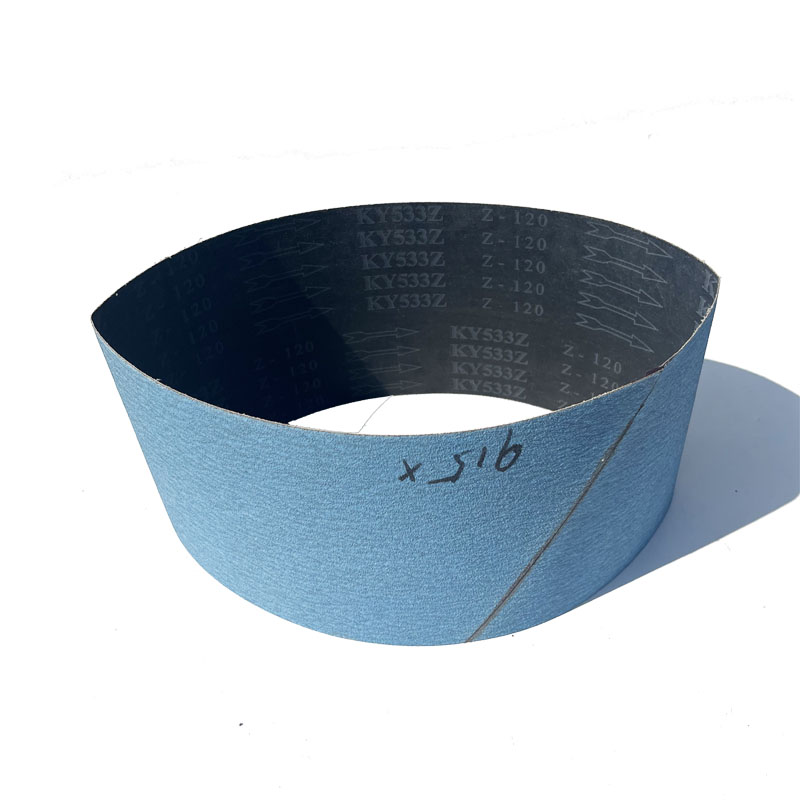
Zirconia Alumina (ZA): Known for its durability, ZA is perfect for tough metals like stainless steel and high-carbon steels. It has self-sharpening properties, which help maintain its cutting performance even under heavy use. This abrasive is commonly used for aggressive stock removal and rough grinding.
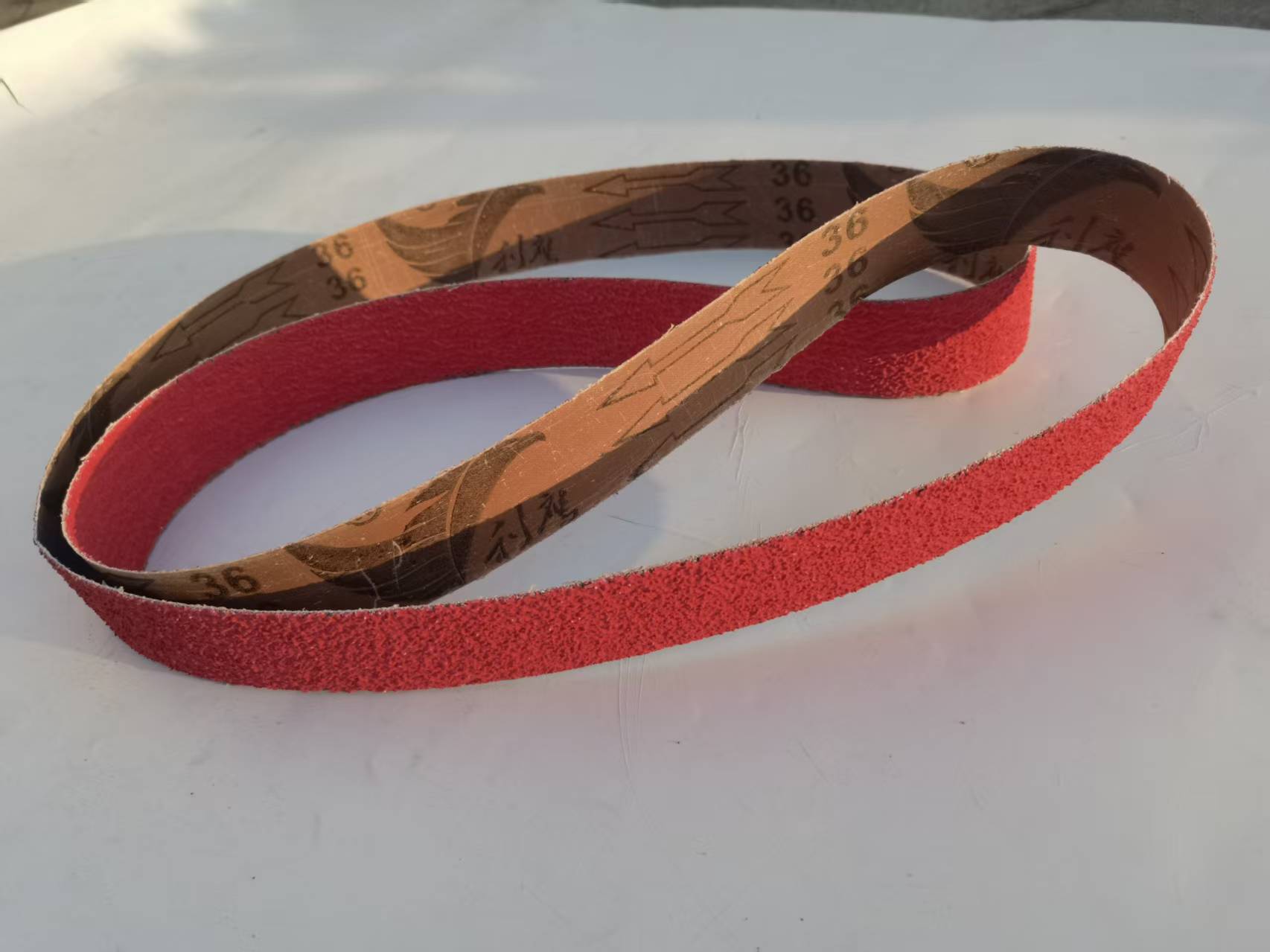
Ceramic Alumina (CA): Ceramic belts are among the best abrasives for metalworking. They are ideal for hard metals and high-alloy steels. Ceramic abrasives are extremely sharp and durable, making them a great choice for industrial applications and when you need to remove a lot of material quickly.
Silicon Carbide (SC): Silicon carbide is ideal for non-ferrous metals like aluminum and brass. It’s a sharp and durable abrasive that works well for fine finishing, polishing, and cleaning.
2. Backing Material
The backing material of a sanding belt plays a crucial role in determining the belt’s strength, flexibility, and overall durability. The most common backing materials for metalworking sanding belts are:
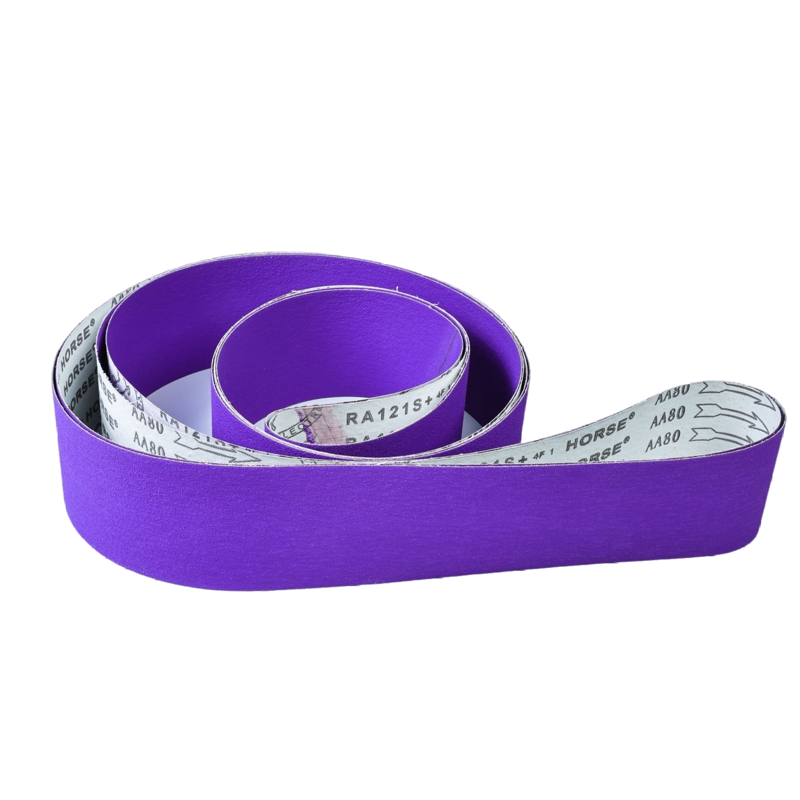
Polyester Cloth: This is a strong, durable backing material that can withstand high tension and heavy grinding. It’s often used for belts intended for high-speed applications and industrial use.
Cotton: Cotton backings are flexible and less expensive than polyester, but they’re generally not as durable under heavy use.
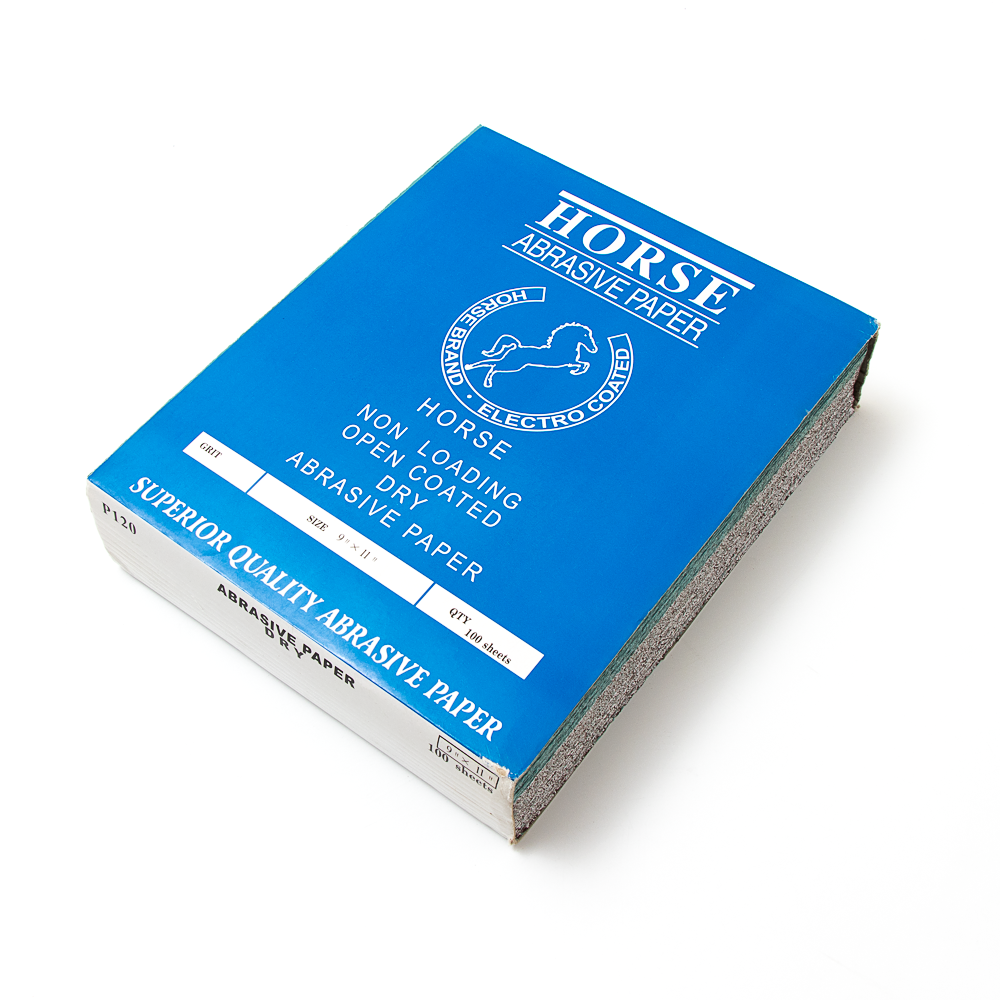
Paper: Paper backings are best for lighter applications, such as fine finishing or polishing, and are often used in belts designed for softer metals or delicate tasks.
3. Belt Size and Fit
A properly sized sanding belt is essential for smooth operation. When choosing a sanding belt for metal, it’s important to ensure that the belt fits your machine’s specifications (width, length, and thickness). This is particularly important when purchasing custom sanding belts or when buying wholesale sanding belts.
Width and Length: Be sure to select the correct dimensions based on your sanding machine's requirements. Common sizes include 2″ x 72″, 4″ x 24″, and 3″ x 21″, though custom sizes are available for specialized equipment.
Thickness: Thicker belts are more durable and can handle heavier sanding tasks, while thinner belts are more flexible and suitable for lighter applications.
4. Grit Size
The grit size of a sanding belt determines how coarse or fine the surface finish will be. For metalworking, selecting the right grit is key to achieving the desired results:
Coarse grits (40-60): Used for aggressive material removal, such as shaping and smoothing rough metal surfaces.
Medium grits (80-120): Ideal for general sanding tasks, such as smoothing out welds or preparing metal for finishing.
Fine grits (150-220): These grits are used for finer finishing and polishing metal surfaces, leaving a smoother finish.
5. Durability and Lifespan
Durability is an important consideration, especially for professionals who rely on their sanding belts for high-volume work. Higher-quality abrasives like ceramic or zirconia alumina are more durable and last longer than lower-grade abrasives like aluminum oxide. If you plan to use your sanding belts in heavy-duty tasks, investing in higher-end abrasives is worth the extra cost.
6. Pressure and Speed of Operation
Different sanding belts perform better at different pressure and speed settings. For metalworking, it’s important to adjust your machine's settings based on the material and belt type to prevent overheating or premature wear. Be sure to follow the manufacturer's recommendations for optimal pressure and speed.
Custom Sanding Belts for Metalworking
If your business or workshop requires sanding belts that fit specific machine models or meet particular performance needs, custom sanding belts are the solution. Custom belts can be tailored to your exact specifications, including abrasive material, backing material, size, and grit. This ensures that you get a sanding belt that perfectly matches your needs.
Custom sanding belts are particularly useful for businesses that operate in industries with specific requirements, such as aerospace, automotive, or precision machining. Ordering custom belts in bulk or wholesale quantities can help reduce costs and ensure you always have the right tools on hand.
Benefits of Custom Sanding Belts:
Tailored to fit your specific equipment and machine requirements.
Choose the ideal abrasive material for your specific metal types.
Available in custom sizes, grit levels, and thicknesses for unique applications.
Increased efficiency and productivity, as they are optimized for your tasks.
Wholesale Sanding Belts for Businesses
For businesses with high-volume sanding needs, purchasing wholesale sanding belts can be a cost-effective solution. Wholesale purchasing allows you to stock up on belts, reducing the need for frequent reordering and ensuring you have the belts you need when you need them.
Benefits of Wholesale Sanding Belts:
Cost Savings: Bulk purchasing typically leads to discounted pricing, which can be a significant cost-saving measure for businesses.
Consistency: Wholesale purchases ensure a steady supply of sanding belts, reducing downtime and ensuring consistency in production.
Customization: Many suppliers offer customization options for wholesale orders, allowing you to specify the exact belt specifications you require.
Conclusion
Choosing the right sanding belt for metal can significantly improve the quality of your work and the efficiency of your processes. Whether you're looking for custom sanding belts or need to purchase in bulk with wholesale sanding belts, it’s essential to understand the different types of abrasives, backing materials, and grit sizes that are best suited for metalworking.
By considering the factors outlined in this guide and selecting the right sanding belts for your specific needs, you'll be able to achieve better results, increase productivity, and reduce costs in the long run.