Welcome to WUXI YINGWANG ABRASIVE CO.LTD
How long does a sanding belt last?
The lifespan of a sanding belt depends on several factors, including the material being sanded, the type of sanding belt, and the conditions under which it is used. On average, a sanding belt can last anywhere from 1 to 10 hours of continuous use, but here’s a breakdown of key factors that affect its longevity:
Factors Affecting Sanding Belt Lifespan
Material Being Sanded:
Harder materials (like metals, especially stainless steel or high-alloy steel) cause more wear on the belt and reduce its lifespan.
Softer materials (like wood or plastic) tend to be easier on the belt, which can extend its life.
Abrasive Material:
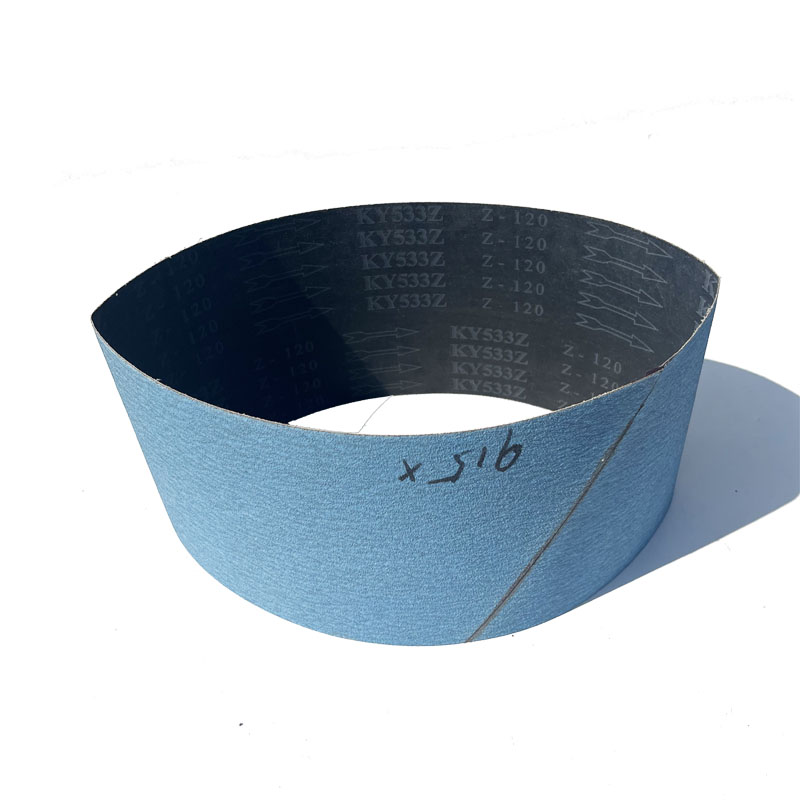
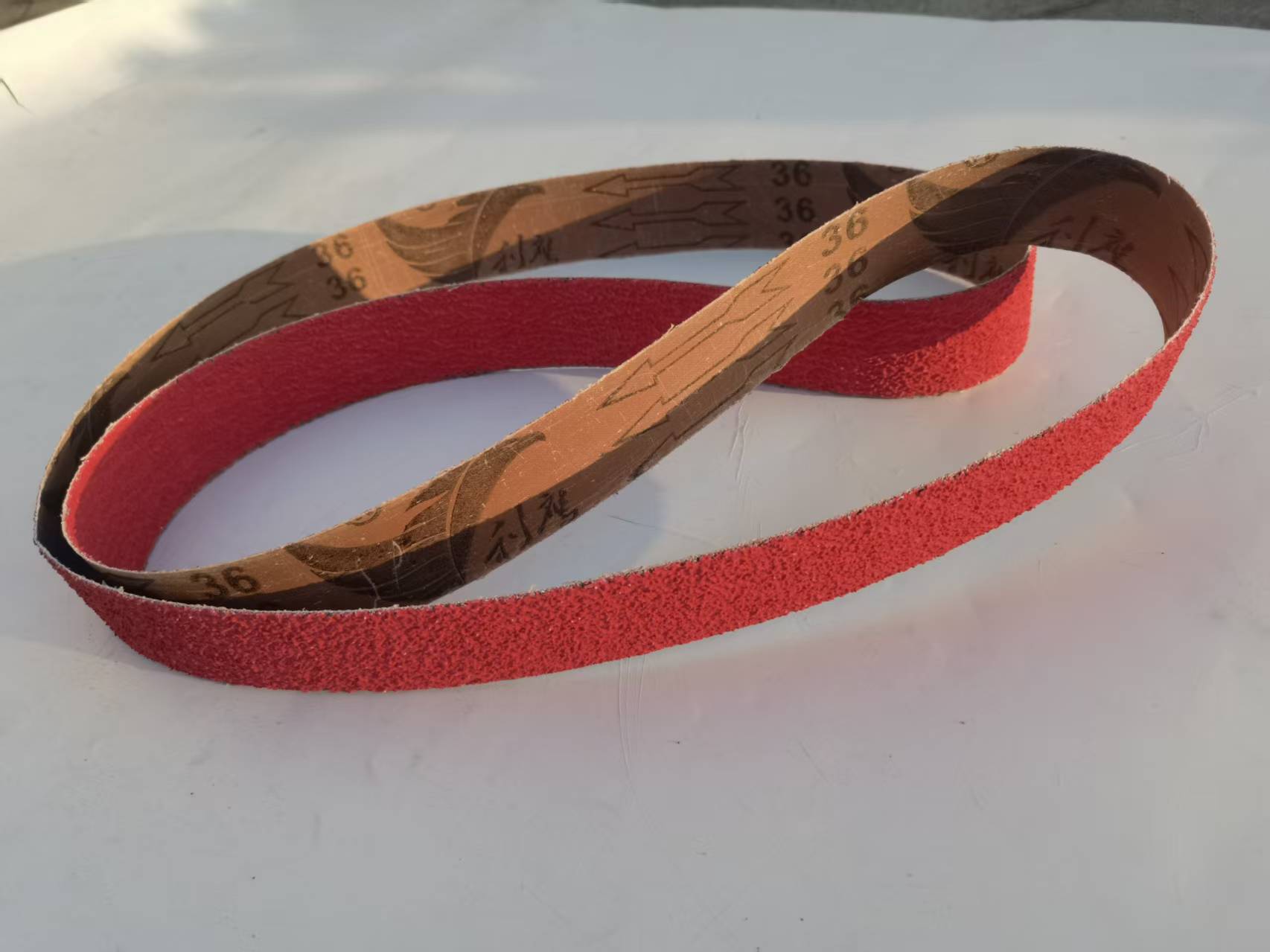
Ceramic and Zirconia Alumina belts are highly durable and self-sharpening, making them last longer, especially for heavy-duty tasks.
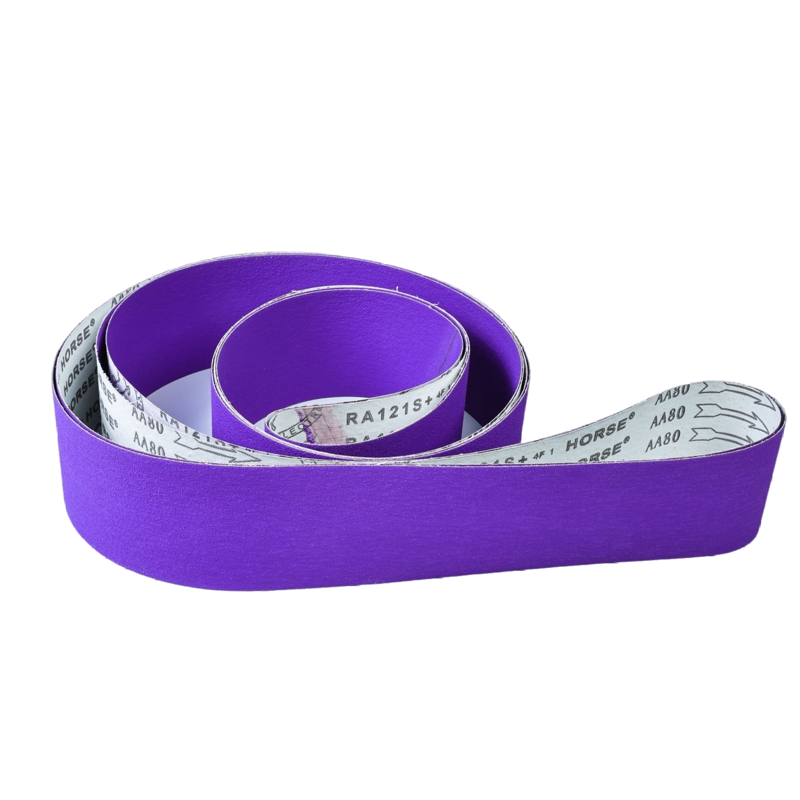
Aluminum Oxide belts, while cost-effective, may wear down faster compared to ceramic or zirconia belts.
Silicon Carbide belts, best for softer materials like wood or plastic, may wear out quicker when used on harder metals.
Pressure and Speed:
Excessive pressure or too high of a speed setting can lead to faster wear and overheating, shortening the belt’s lifespan.
Using moderate pressure and the correct speed settings will help extend the life of the sanding belt.
Type of Operation:
Heavy stock removal (aggressive grinding) will wear out a sanding belt much faster compared to lighter finishing or polishing tasks.
Weld blending or finishing tasks on metal may wear the belt more slowly, especially with belts designed for such purposes.
Cooling:
Using coolants or maintaining proper airflow during sanding can help reduce heat buildup, which accelerates belt wear.
Environmental Factors:
Dust and debris can cause premature wear, especially in environments with high dust levels, making frequent cleaning or using vacuum-assisted sanding equipment beneficial.
Average Lifespan by Use
For Metalworking: Expect 1 to 5 hours of heavy-duty use, especially on hard metals like stainless steel. Ceramic or zirconia belts can last up to 5-10 hours in these conditions.
For Woodworking: A sanding belt can last much longer, typically around 5 to 20 hours, depending on the type of wood and the grit.
For Light Finishing and Polishing: Belts may last longer, with 10 to 50 hours of use, particularly if using fine-grit belts on soft metals or wood.
How to Extend Sanding Belt Life:
Use the belt with proper tension and speed settings.
Clean the belt periodically to remove buildup of dust and debris.
Avoid using excessive pressure while sanding.
Consider using coolants or lubricants to reduce heat buildup.
By managing these factors carefully, you can maximize the life of your sanding belts and improve the efficiency of your sanding operations.