Welcome to WUXI YINGWANG ABRASIVE CO.LTD
What Type of Sanding Belts Do I Need?
Choosing the right sanding belt is essential for achieving efficient grinding, better surface finish, and longer belt life. Different materials, grinding pressures, and machines require different abrasive belt types. If the wrong sanding belt is selected, it can lead to poor cutting performance, overheating, and frequent belt replacement.
Many users ask this question before purchasing: What type of sanding belts do I need? The answer depends mainly on the material being processed and the grinding application.
A professional sanding belt supplier can help identify the most suitable abrasive type for your work, whether you are grinding metal, wood, stainless steel, or other industrial materials.
1. Choose by Material Type
The first step is identifying what material you need to sand.
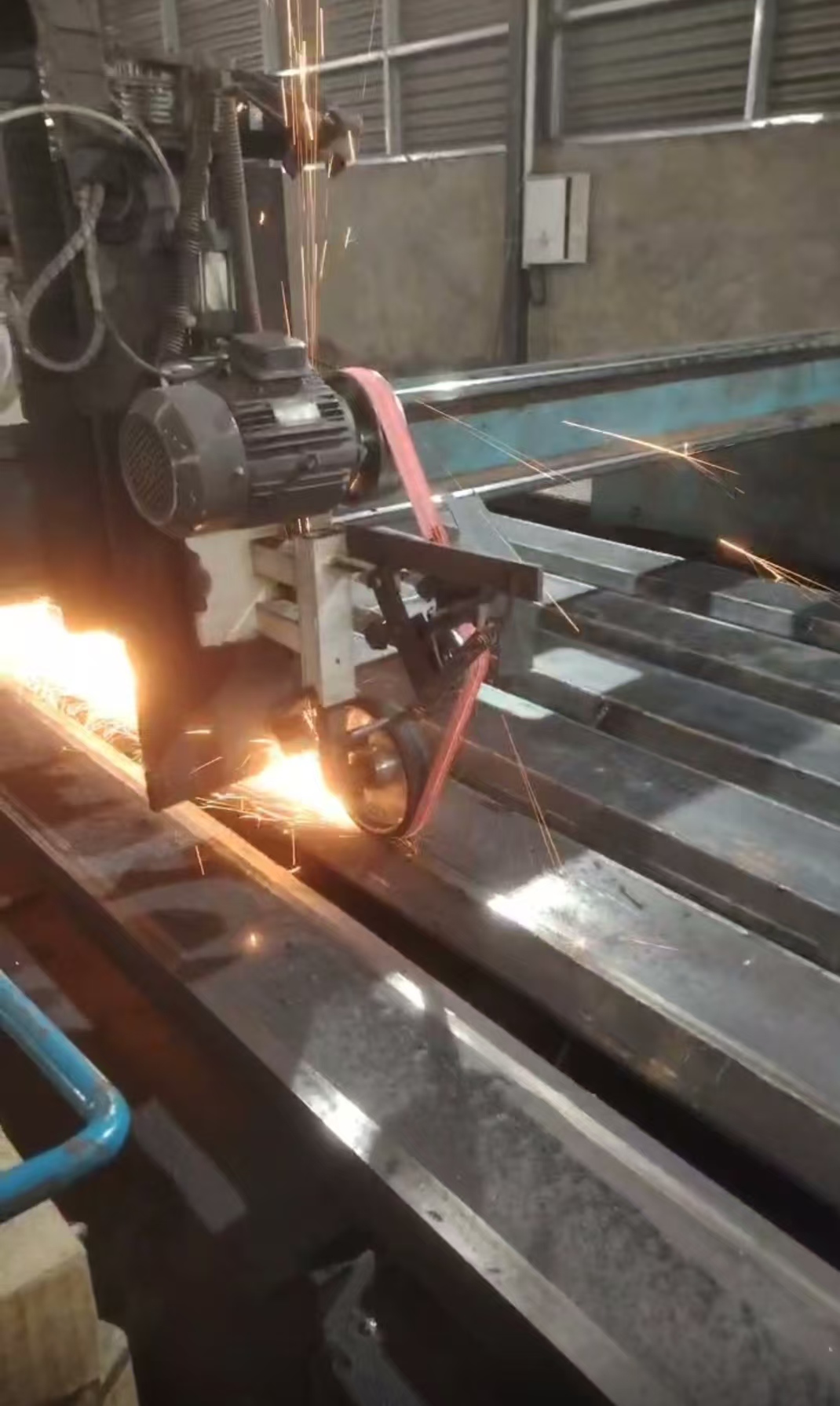
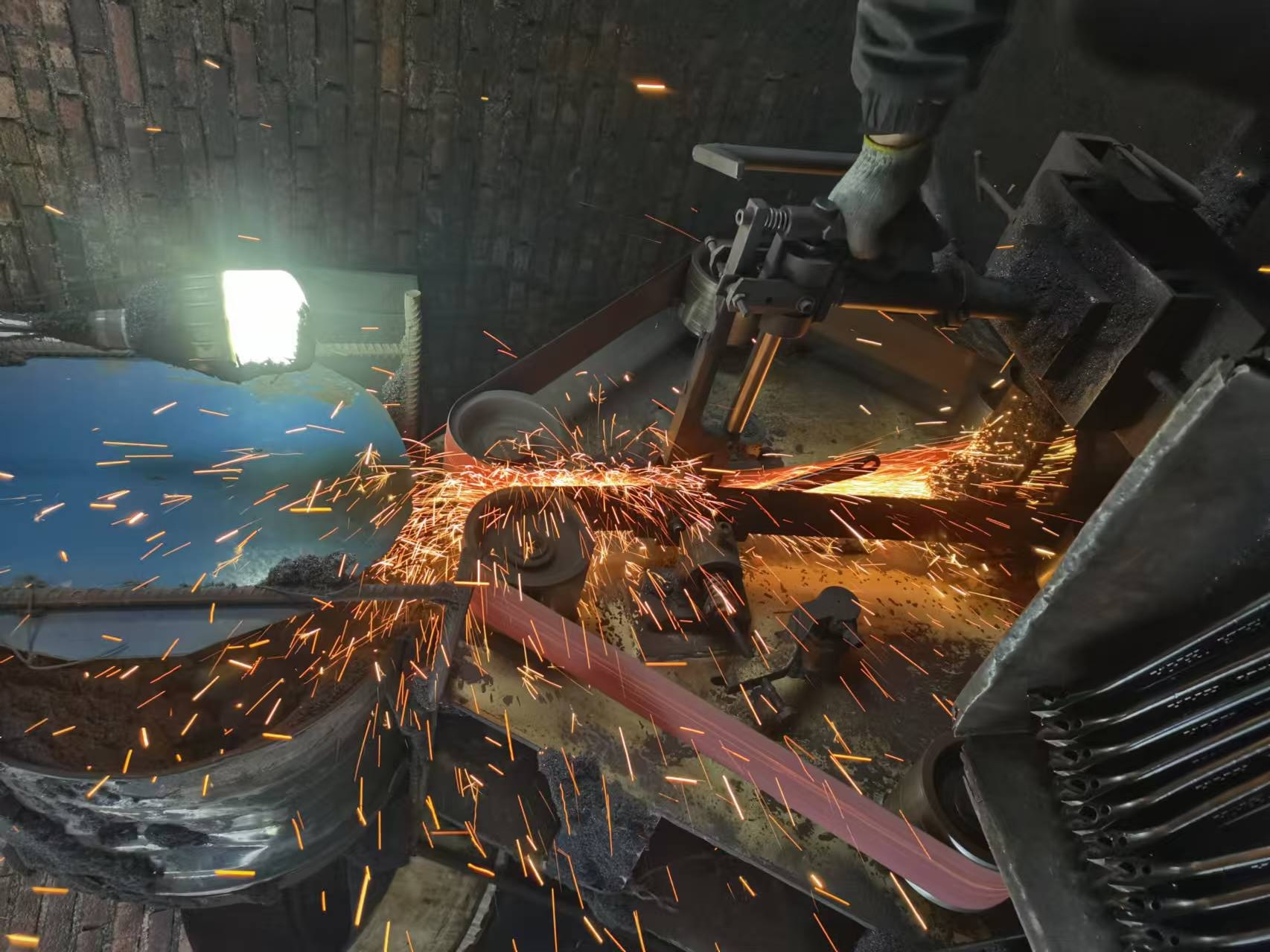
For Metal Grinding
Metal grinding usually requires stronger abrasive grains because of heat generation and high surface hardness.
Recommended sanding belts:
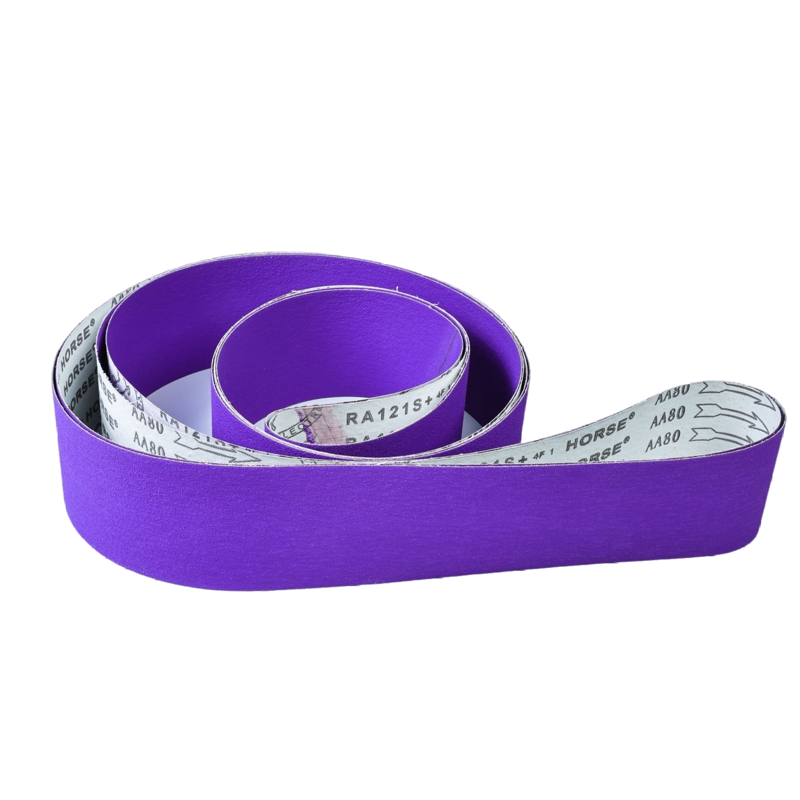
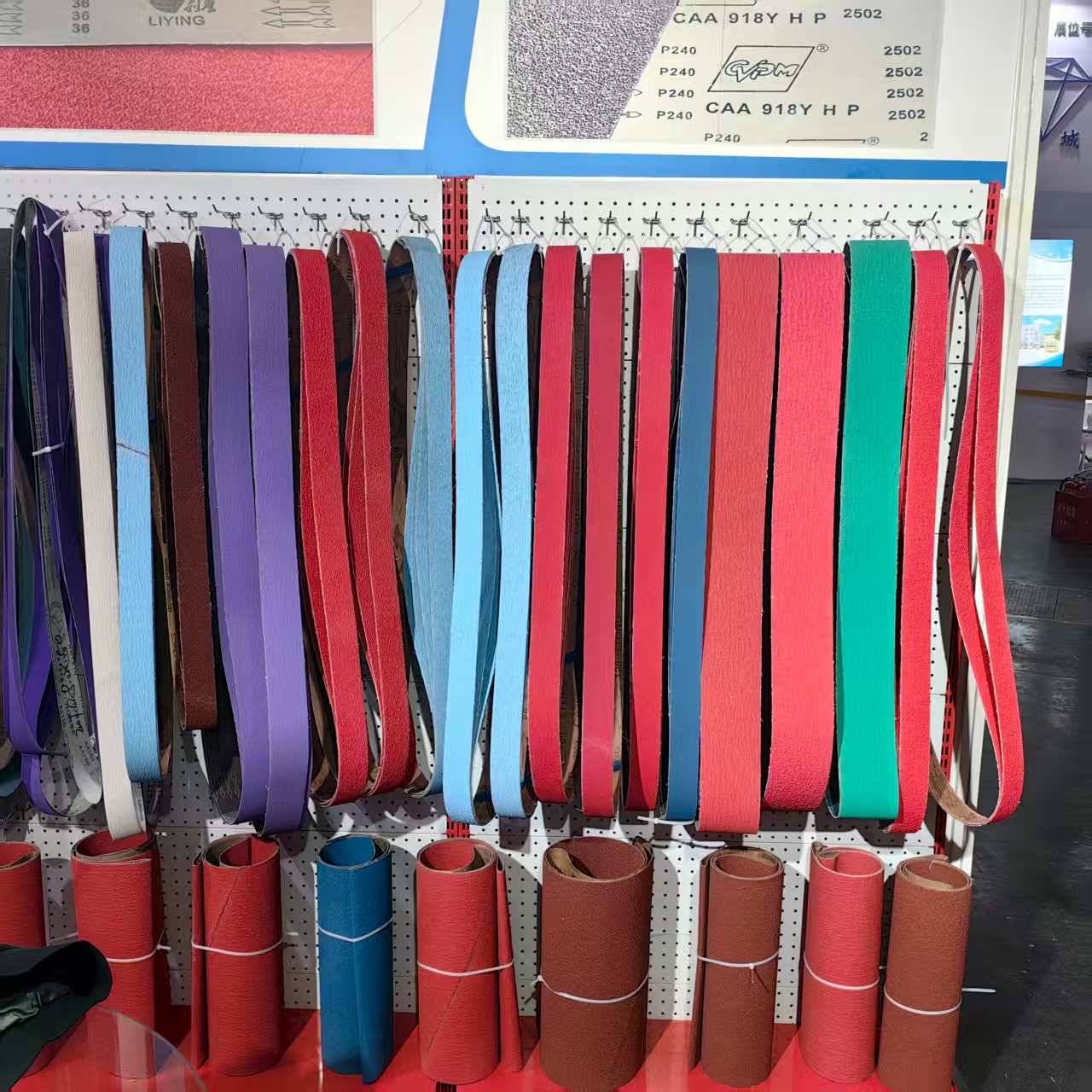
Ceramic sanding belts
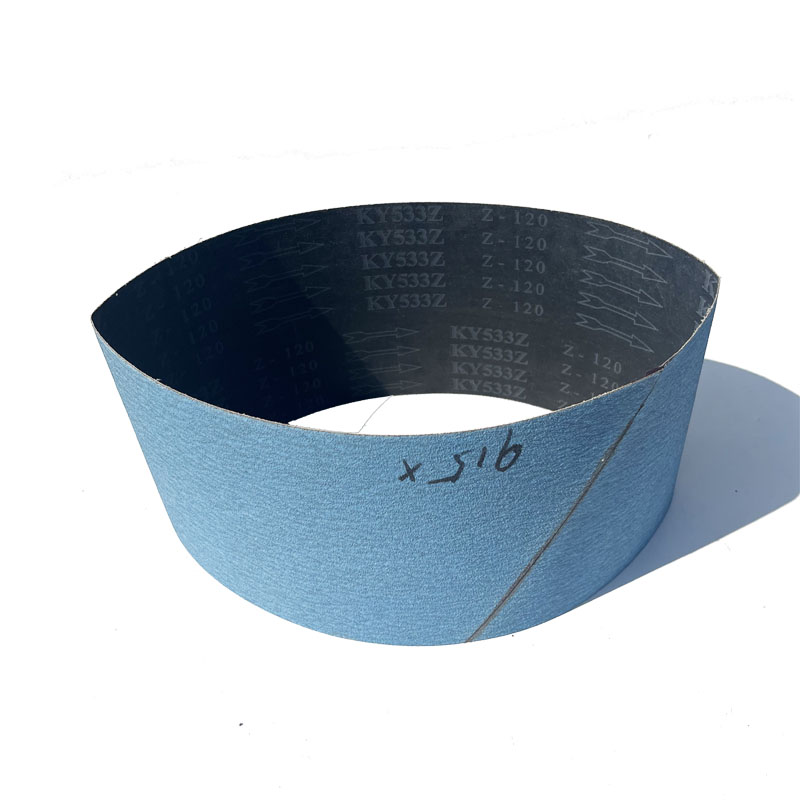
Zirconia sanding belts
These abrasives provide:
fast cutting
heat resistance
long service life
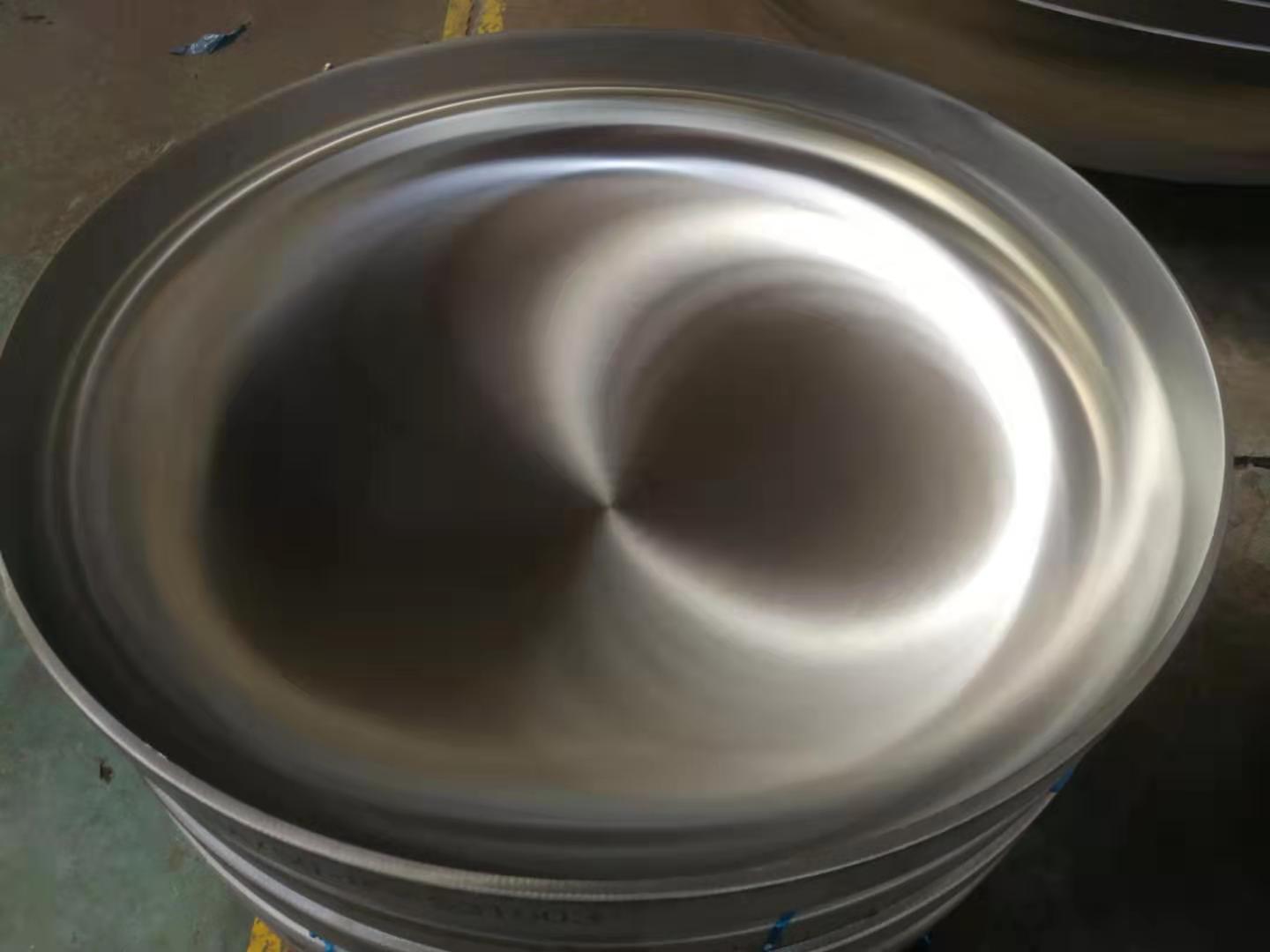
Ceramic belts are especially effective for stainless steel and heavy grinding.
👉 Explore our sanding belts for metal grinding
For Wood Sanding
Woodworking usually requires different abrasive behavior.
Recommended sanding belts:
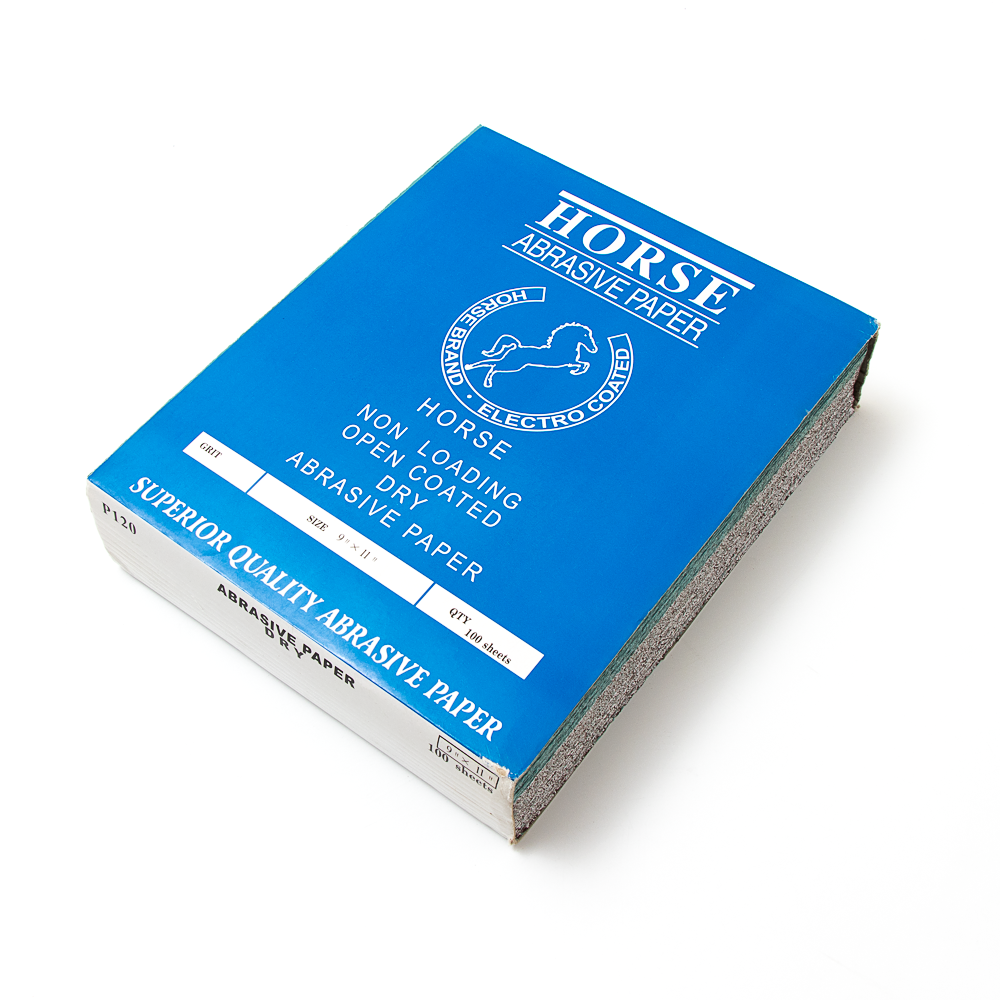
Aluminum oxide sanding belts
Suitable for:
furniture sanding
wood surface preparation
edge finishing
For wood applications, flexible backing and smooth cutting are important.
For Aluminum and Soft Metals
Soft metals need abrasives that avoid clogging.
Recommended sanding belts:
Silicon carbide sanding belts
Advantages:
sharp cutting action
fine scratch pattern
cleaner surface finish
2. Choose by Grinding Intensity
Different grinding tasks require different abrasive strength.
Heavy Grinding
For weld removal or stock removal:
ceramic sanding belts perform best
Medium Grinding
For regular metal fabrication:
zirconia sanding belts are economical and durable
Fine Finishing
For surface preparation:
finer grit aluminum oxide or non-woven belts are suitable
A professional sanding belt supplier usually recommends abrasive grain according to grinding pressure and production speed.
3. Choose the Correct Grit Size
Grit size affects both cutting speed and finish quality.
Coarse grit (24#–60#)
Used for:
heavy stock removal
weld grinding
Medium grit (80#–120#)
Used for:
deburring
surface preparation
Fine grit (150# and above)
Used for:
finishing
polishing preparation
Selecting the correct grit helps maximize belt life.
4. Choose by Belt Backing Strength
For industrial grinding, backing strength is critical.
Light applications:
X-weight cloth
Heavy applications:
Y-weight polyester backing
Heavy-duty backing provides:
stronger tension resistance
longer service life
reduced breakage
This is especially important in metal grinding.
Why Product Quality Matters
Low-quality sanding belts often cause:
short lifespan
unstable grinding
belt joint failure
Working with an experienced sanding belt supplier ensures:
consistent abrasive coating
strong belt joints
reliable grinding performance
Contact Us for Professional Sanding Belt Solutions
We supply abrasive belts for various industrial applications, including:
ceramic sanding belts
zirconia sanding belts
aluminum oxide sanding belts
custom belt sizes
If you need product recommendations, samples, or pricing, contact us anytime.
Email: [email protected]
WhatsApp: +86 17805850436
Website: https://www.liyingsandbelt.com/
Our technical team can help you choose the most suitable sanding belt for your application.