Welcome to WUXI YINGWANG ABRASIVE CO.LTD
Why Small Nylon Sanding Belts (330x10) Break: Common Causes and Solutions
Why Small Nylon Sanding Belts (330x10) Break: Common Causes and Solutions
Small nylon sanding belts, particularly the 330x10 size, are commonly used in precision grinding tasks. However, their smaller size can make them more susceptible to breakage compared to larger belts. Below are the reasons why small nylon belts may break more easily and how we can prevent it.
1. Excessive Pressure on Small Belts
Small sanding belts are typically used in more precise operations, where fine control is needed. However, applying excessive pressure on a small belt can cause the fabric and abrasive materials to stretch or tear, leading to breakage. Due to their smaller size, they are more prone to wear and tear under high pressure.
Solution: Always apply moderate pressure during grinding or polishing. Avoid forcing the belt into the material, as this can cause localized wear, leading to breakage. It’s important to let the abrasive material do the work, and use a steady hand to guide the belt.
2. High-Speed Operation
Operating small sanding belts at high speeds can result in increased friction and heat buildup. This is especially true if the recommended RPM is exceeded, as the smaller belt can’t dissipate heat as efficiently as larger belts. This excessive heat weakens the bond between the abrasive grains and the fabric, causing the belt to deteriorate or snap.
Solution: Always follow the manufacturer’s recommended operating speeds for small belts. For our 330x10 nylon sanding belts, we suggest adhering to the specific RPM range that ensures optimal performance without overheating.
3. Improper Installation and Tensioning
Small sanding belts are particularly vulnerable if they are not installed correctly. Incorrect tension can either cause the belt to slip (increasing the likelihood of breakage) or over-stretch the material, which can lead to tearing. This problem is even more pronounced for smaller belts, where precision is crucial.
Solution: Ensure that the sanding belt is installed properly and tensioned correctly. Avoid overtightening the belt, but ensure that it fits snugly and securely. The ideal tension allows the belt to move smoothly without slipping or straining the material.
4. Uneven Abrasive Distribution
If the abrasive particles are not evenly distributed on the belt, certain areas may wear down faster than others. The uneven wear puts additional stress on the belt, leading to breaks or tears in the weaker areas, particularly in small belts where the load is distributed more heavily in certain spots.
Solution: We take special care in the manufacturing process to ensure uniform grit distribution on our sanding belts, reducing the risk of uneven wear. Using high-quality sanding belts, like our 330x10 nylon belts, helps avoid this issue and ensures more consistent performance.
5. Environmental Factors
Small sanding belts can also break if exposed to harsh environmental conditions such as excessive heat, moisture, or extreme cold. These conditions can weaken the nylon fabric, making it more prone to tearing or snapping.
Solution: Store sanding belts in a cool, dry place to avoid environmental degradation. Also, ensure that belts are used in environments that do not exceed the recommended temperature or humidity levels.
6. Inappropriate Belt for the Task
Small nylon sanding belts, while versatile, may not always be the best choice for certain types of tasks that require heavier grinding or cutting. Using a 330x10 belt in an application where larger, stronger belts are more appropriate can result in the belt breaking under strain.
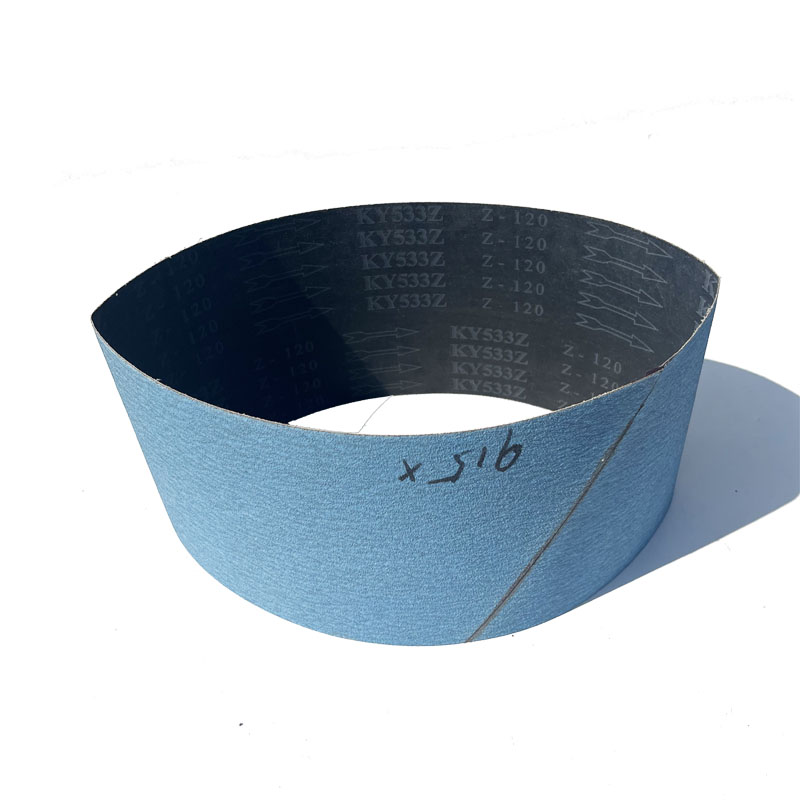
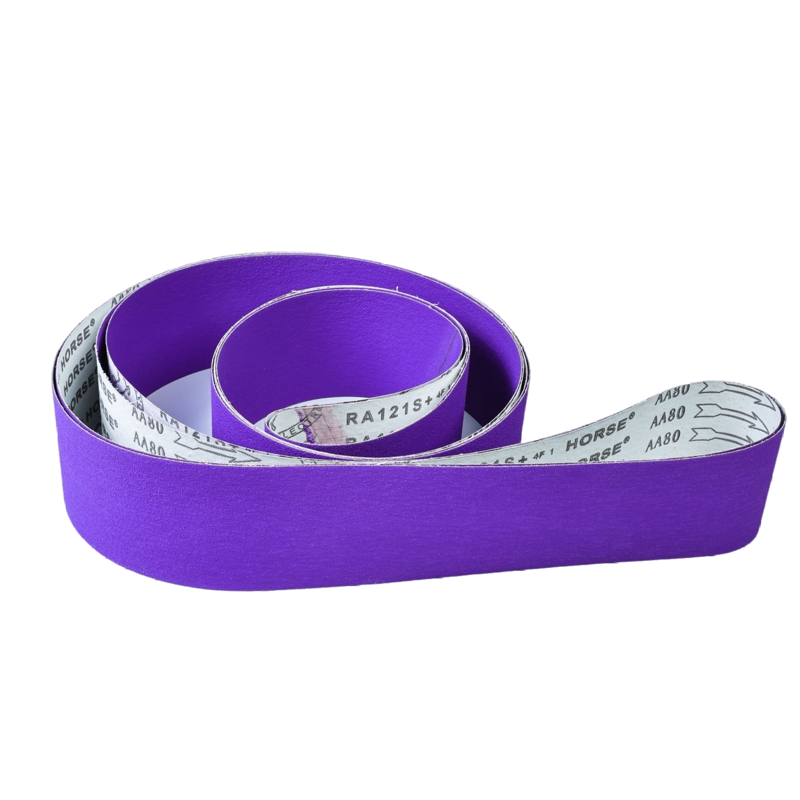
Solution: For heavier grinding tasks, consider using a stronger belt, such as a Zirconia Alumina or Ceramic Sanding Belt, which is designed to handle tougher applications. These belts are perfect for heavy-duty work, while our nylon belts are better suited for surface conditioning and finishing.
Explore our Zirconia Alumina Sanding Belts
Learn more about our Ceramic Sanding Belts
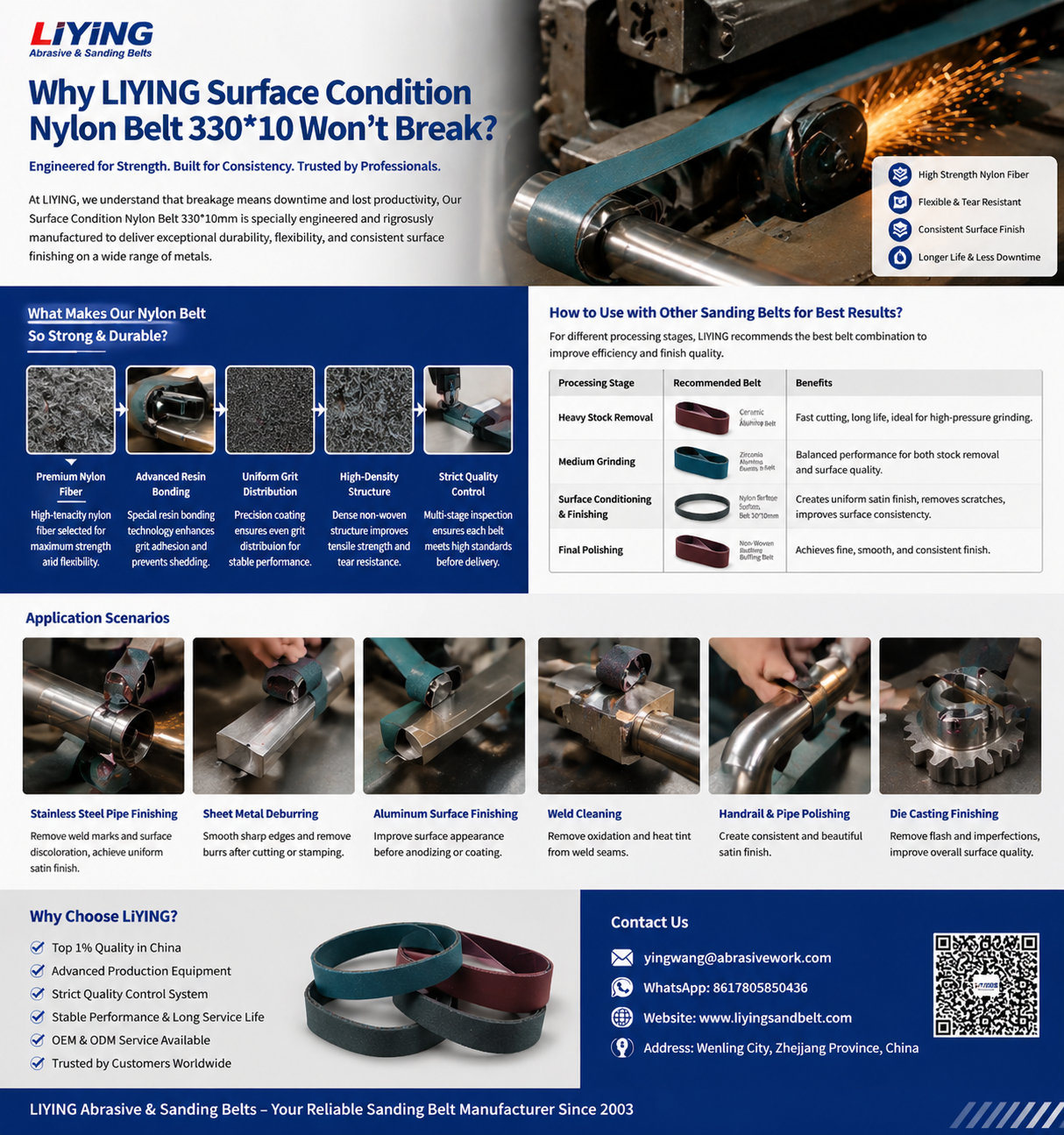
By understanding the reasons why small sanding belts break and taking preventative measures, you can maximize the lifespan of your 330x10 nylon sanding belts and achieve consistent, reliable results. Remember, the combination of proper installation, speed, pressure, and quality belts will ensure minimal breakage and optimal performance.
For more information on how to select the right sanding belt for your needs, or to inquire about our products, feel free to contact us:
Email: [email protected]
WhatsApp: +8617805850436
Website: www.liyingsandbelt.com