Welcome to WUXI YINGWANG ABRASIVE CO.LTD
How Do I Use a Sanding Belt Splicing Tape to Make an Abrasive Belt Joint?
Introduction
In industrial grinding, the performance of a sanding belt does not depend only on abrasive grains — the joint quality is equally critical.
Many users ask:
👉 How do I use a sanding belt splicing tape to make an abrasive belt joint?
From the perspective of an experienced sanding belt manufacturer, a properly made joint ensures:
Smooth running
High strength
No vibration
Long belt life
A poor joint, however, can cause:
❌ Belt breakage
❌ Machine damage
❌ Surface defects
What Is Sanding Belt Splicing Tape?
Splicing tape is a high-strength adhesive tape used to connect two ends of abrasive material to form a continuous belt.
Key Features:
Heat-resistant adhesive
High tensile strength
Flexible backing
Strong bonding under pressure
👉 It is commonly used in:
Manual belt conversion
Repairing broken belts
Custom belt production
Types of Sanding Belt Joints
Before using splicing tape, you need to understand joint types:
1. Overlap Joint
Strongest
Common in heavy-duty belts
2. Butt Joint with Tape
Smoothest running
Preferred for precision grinding
👉 Splicing tape is typically used in butt joints.
Step-by-Step: How to Use Splicing Tape
Step 1: Prepare the Belt Ends
Cut both ends clean and straight
Ensure edges match perfectly
Remove dust and debris
👉 Precision here determines final joint quality.
Step 2: Skive (Thin) the Belt Ends
Skiving means reducing thickness at the joint area.
Why it matters:
Prevents thickness bump
Ensures smooth running
Reduces vibration
👉 This is a critical step often ignored by beginners.
Step 3: Align the Belt Ends
Place ends together (butt joint)
Ensure perfect alignment
No gaps or overlap
👉 Misalignment = immediate belt failure.
Step 4: Apply Splicing Tape
Apply tape evenly across the joint
Press firmly
Avoid air bubbles
👉 Use consistent pressure to ensure strong bonding.
Step 5: Press and Cure the Joint
Use a pressing machine or roller
Apply pressure evenly
Allow adhesive to cure
👉 Some tapes require heat activation for maximum strength.
Key Technical Tips from a Sanding Belt Manufacturer
1. Always Follow Belt Running Direction
The joint must face the correct direction:
👉 Otherwise, it may lift during operation.
2. Use High-Quality Splicing Tape
Low-quality tape leads to:
❌ Weak bonding
❌ Early failure
❌ Safety risks
3. Control Joint Thickness
Too thick → vibration
Too thin → weak joint
👉 Proper skiving is essential.
4. Maintain Clean Surfaces
Dust or oil contamination will:
❌ Reduce adhesion
❌ Cause joint failure
Common Mistakes to Avoid
❌ Skipping skiving
❌ Poor alignment
❌ Uneven pressure
❌ Using low-quality tape
👉 These are the main causes of belt breakage.
When Should You Use Splicing Tape?
Splicing tape is ideal for:
Custom belt production
Repairing broken belts
Small batch manufacturing
👉 However, for high-volume production:
Professional sanding belt manufacturers use industrial jointing systems for higher consistency.
Why Joint Quality Matters in Real Applications
A high-quality joint ensures:
✔ Smooth belt tracking
✔ Stable grinding
✔ Longer service life
✔ Better surface finish
👉 Even the best ceramic or zirconia belt will fail if the joint is poor.
Work with a Reliable Sanding Belt Manufacturer
If you prefer ready-made high-performance belts instead of manual splicing:
👉 Explore our sanding belt solutions here:
https://www.liyingsandbelt.com/
We provide:
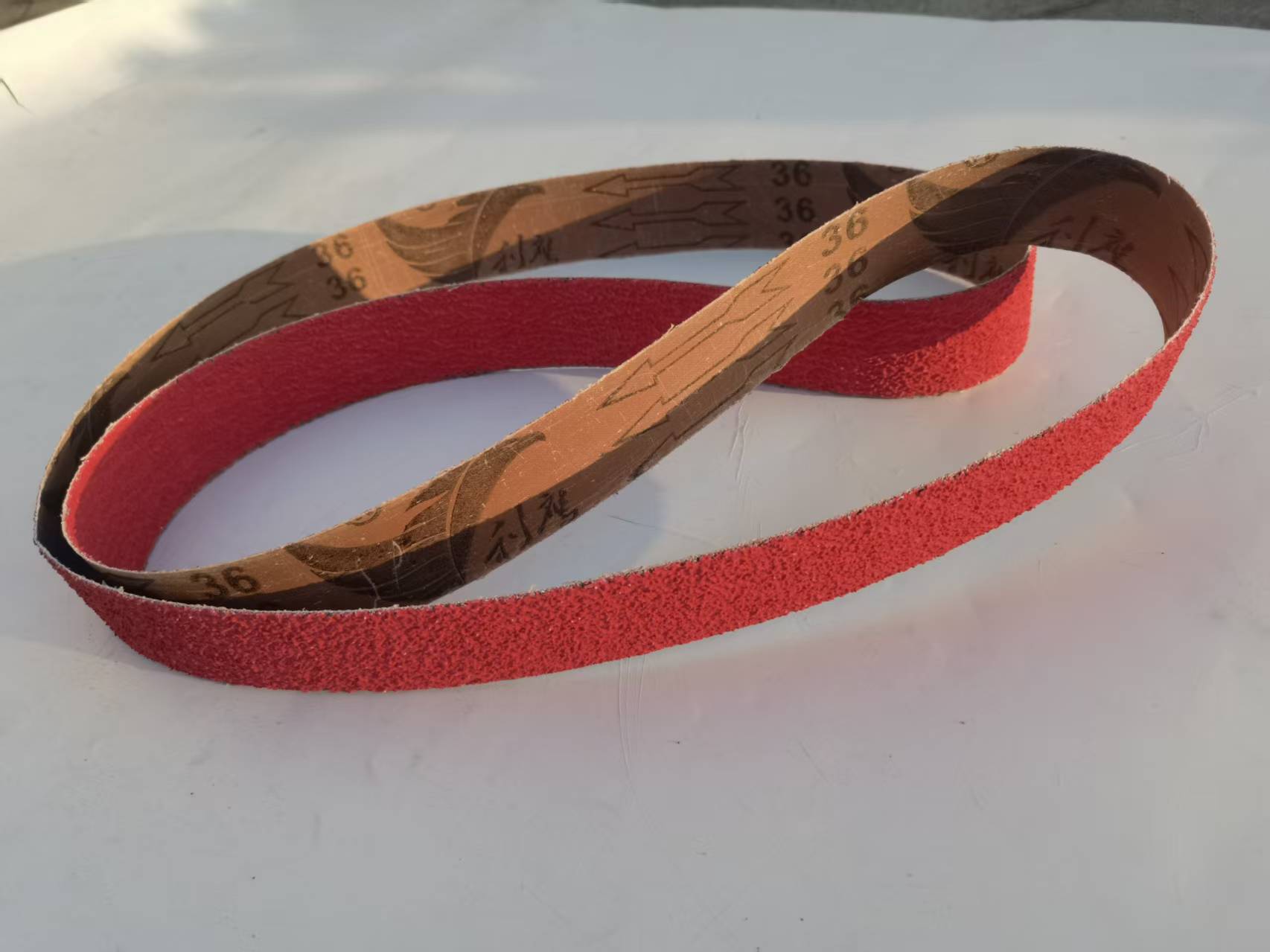
Ceramic sanding belts
Zirconia sanding belts
Heavy-duty Y-weight backing
Professionally engineered joints
Conclusion
So, how do you use sanding belt splicing tape?
👉 The correct process is:
Prepare clean edges
Skive the belt ends
Align precisely
Apply tape evenly
Press and cure
👉 The key principle:
Precision + cleanliness + proper pressure = strong, reliable joint