Welcome to WUXI YINGWANG ABRASIVE CO.LTD
how sanding belts are made?
Introduction
Have you ever wondered how sanding belts are made?
To most users, a sanding belt is just a consumable tool. But behind it lies a highly engineered manufacturing process that directly determines:
Cutting performance
Lifespan
Heat resistance
Consistency in industrial grinding
As a professional sanding belt manufacturer, we’ll walk you through the real production process step by step, so you can understand what separates high-quality belts from low-end products.
Step 1: Selecting the Backing Material
For industrial metal grinding, the most common choice is:
👉 Y-weight polyester cloth backing
Why It Matters:
High tensile strength
Resistant to tearing under high pressure
Stable during high-speed grinding
👉 A weak backing leads to belt breakage — no matter how good the abrasive grain is.
Step 2: Applying the Base Coat (Adhesive Layer)
Next, a resin adhesive layer is applied to the backing.
This layer is critical because it:
Holds the abrasive grains
Determines bonding strength
Affects heat resistance
👉 High-end sanding belt manufacturers use advanced resin systems to improve durability.
Step 3: Electrostatic Grain Application
This is one of the most important steps.
👉 Abrasive grains (ceramic, zirconia, aluminum oxide) are applied using electrostatic coating.
What Happens Here:
Grains are electrically charged
They stand upright on the backing
Sharp edges face outward
Why This Is Critical:
✔ Better cutting performance
✔ More aggressive grinding
✔ Longer lifespan
👉 Poor manufacturers often fail here — resulting in weak cutting ability.
Step 4: Top Coat (Reinforcement Layer)
A second resin layer (top coat) is added to:
Lock the grains in place
Improve heat resistance
Increase durability
👉 This step determines how well the belt performs under heavy grinding conditions.
Step 5: Curing (Heat Treatment)
The coated material is then cured in an oven.
Purpose:
Harden the resin
Stabilize the structure
Improve bonding strength
👉 Proper curing ensures the belt can handle:
✔ High temperature
✔ High pressure
✔ Continuous operation
Step 6: Converting (Cutting & Jointing)
The large abrasive rolls are converted into belts.
This includes:
Cutting to size
Jointing (splicing)
Types of Joints:
Overlap joint
Butt joint
Tape joint
👉 A high-quality joint ensures:
✔ Smooth running
✔ No vibration
✔ No breakage during use
Step 7: Quality Inspection
Before shipping, professional sanding belt manufacturers perform strict checks:
Grain distribution uniformity
Joint strength
Flexibility
Dimensional accuracy
👉 This step ensures consistent performance batch after batch.
What Determines a High-Quality Sanding Belt?
From a technical perspective, quality depends on:
1. Abrasive Grain Type
Ceramic → highest performance
Zirconia → balanced performance
2. Bonding Technology
Strong resin = longer lifespan
3. Backing Strength
Y-weight backing for heavy-duty use
4. Manufacturing Precision
Especially electrostatic coating and curing
Why Manufacturing Quality Matters in Real Use
A well-made sanding belt will:
✔ Cut faster
✔ Last longer
✔ Generate less heat
✔ Reduce downtime
👉 Poor-quality belts:
❌ Wear quickly
❌ Require more pressure
❌ Increase cost per part
Work with a Reliable Sanding Belt Manufacturer
Choosing the right sanding belt manufacturer is critical for industrial buyers.
If you are looking for:
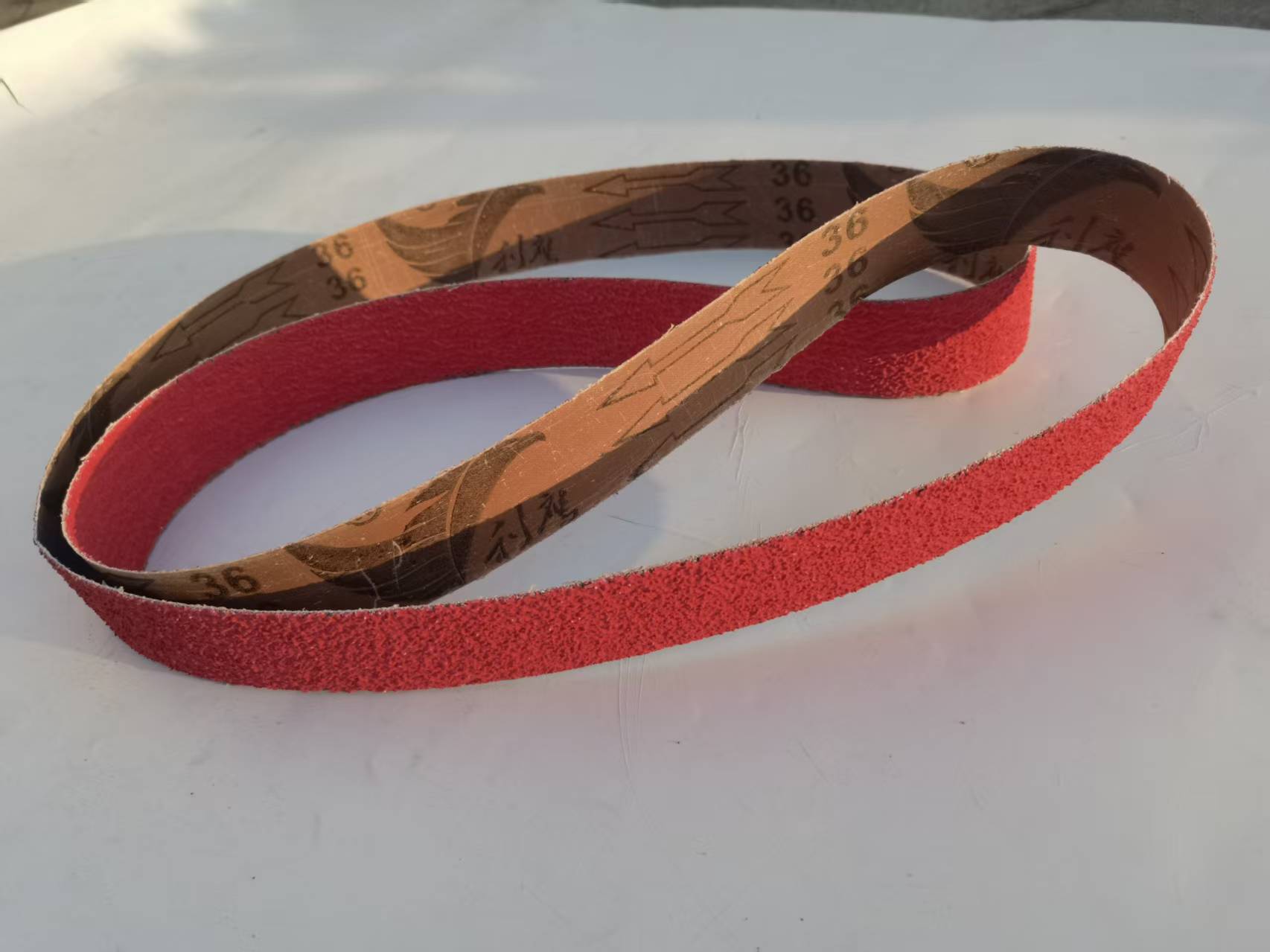
Ceramic sanding belts (high-performance grinding)
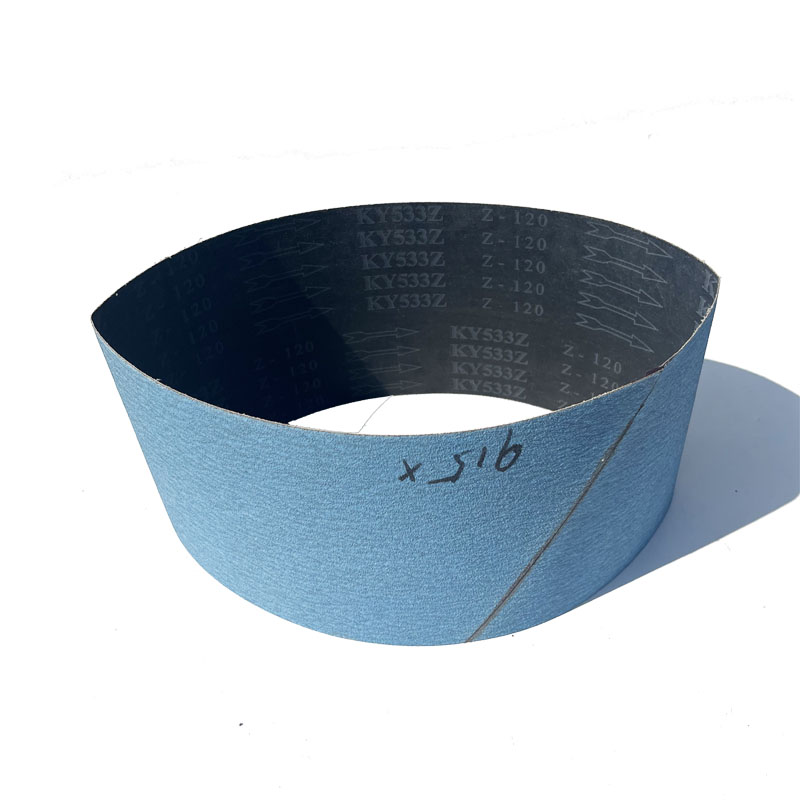
Zirconia sanding belts (cost-effective alternative)
Heavy-duty Y-weight backing
Stable production quality
👉 Explore our products here:
https://www.liyingsandbelt.com/
Contact Us for Samples or Bulk Orders
If you want to learn more about our sanding belt production or test samples:
👉 Email: [email protected]
👉 WhatsApp: +86 178 0585 0436
We support:
OEM manufacturing
Custom sizes and specifications
Fast delivery for bulk orders
Conclusion
So, how are sanding belts made?
👉 Through a precise multi-step process:
Backing selection
Adhesive coating
Electrostatic grain application
Top coating
Heat curing
Cutting and jointing
Quality inspection
👉 Every step directly affects performance.
In the end:
A sanding belt is only as good as the manufacturer behind it.