Welcome to WUXI YINGWANG ABRASIVE CO.LTD
How to Know When It’s Time to Change Your Sanding Belt
Introduction
In metal grinding, one of the most overlooked cost factors is using a sanding belt for too long.
Many operators ask:
👉 How do I know when it's time to change my sanding belt?
From the perspective of an experienced sanding belt manufacturer, the answer is not just about whether the belt still “works” — but whether it is still efficient and cost-effective.
👉 A sanding belt should be replaced before it stops cutting effectively, not after.
What Happens When a Sanding Belt Wears Out?
A sanding belt doesn’t suddenly fail — it gradually loses performance.
During use:
Abrasive grains become dull
Heat increases
Cutting speed decreases
Pressure requirement increases
Eventually:
❌ More energy is used
❌ Surface quality drops
❌ Cost per part increases
Key Signs It’s Time to Change Your Sanding Belt
1. Slower Cutting Speed
If you notice:
Material removal is slower
You need more time to finish the same job
👉 This is the first warning sign
Why it happens:
The abrasive grains have lost sharpness and can no longer cut efficiently.
2. Increased Heat and Burn Marks
If your workpiece shows:
Blue or black discoloration
Burn marks
Overheating
👉 Your sanding belt is no longer cutting — it is rubbing instead of grinding
3. Glazing (Shiny Smooth Surface)
A worn sanding belt often becomes:
Smooth and shiny
Covered with metal debris
👉 This is called glazing or loading
Result:
No cutting ability
Increased friction
Heat buildup
4. You Need More Pressure to Get Results
If operators start pushing harder:
👉 That’s a clear sign the belt is already worn out
⚠ This leads to:
Faster machine wear
More heat
Risk of belt breakage
5. Surface Finish Becomes Inconsistent
If you see:
Uneven grinding
Scratch pattern inconsistency
Poor finish quality
👉 The belt is no longer performing uniformly
6. Visible Belt Damage or Edge Wear
Replace immediately if you see:
Torn edges
Cracks
Uneven wear
The Most Important Rule (Professional Insight)
👉 Do NOT wait until the belt completely stops working
A professional sanding belt manufacturer will always recommend:
✔ Replace the belt when efficiency drops
✔ Not when it is completely unusableBecause:
👉 The last 30% of belt life often produces low efficiency + high cost
Real Industrial Example
Stainless Steel Grinding Scenario
New ceramic belt → fast cutting, low heat
Mid-life → stable performance
Late-stage → slower cutting, more heat
👉 If you continue using it:
❌ Grinding time increases
❌ Energy cost increases
❌ Surface quality drops
✔ Changing earlier actually reduces total cost
Need Help Choosing the Right Belt?
If you're unsure whether your sanding belt is performing efficiently, you can contact us directly.
👉 Email: [email protected]
👉 WhatsApp: +86 178 0585 0436
As a professional sanding belt manufacturer, we can help you:
Evaluate belt performance
Recommend the right abrasive type
Reduce your grinding cost
How Belt Type Affects Replacement Timing
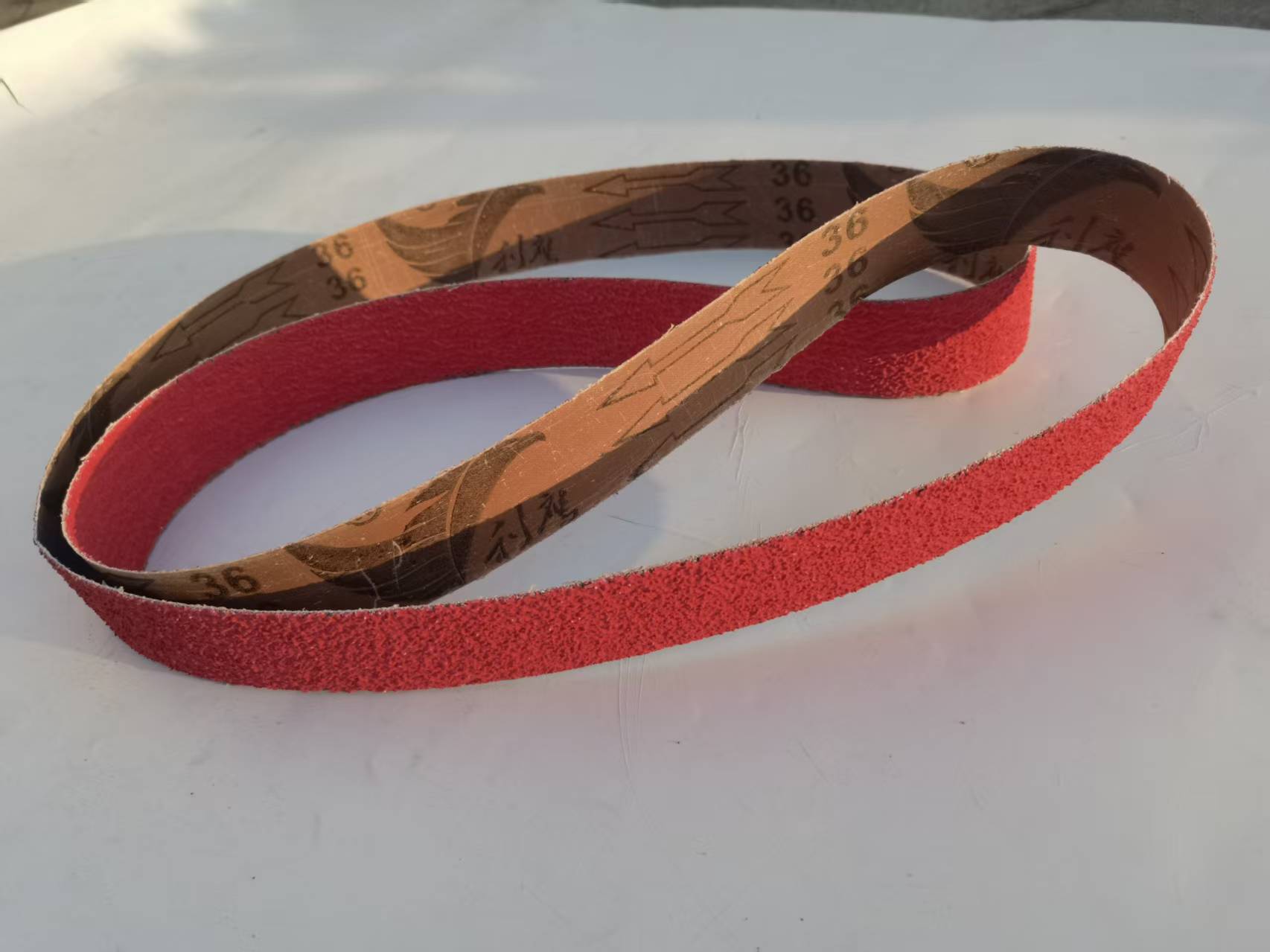
Ceramic Sanding Belts
Maintain sharpness longer
Wear more gradually
Ideal for high-pressure grinding
👉 Replacement is usually based on performance drop, not visible wear
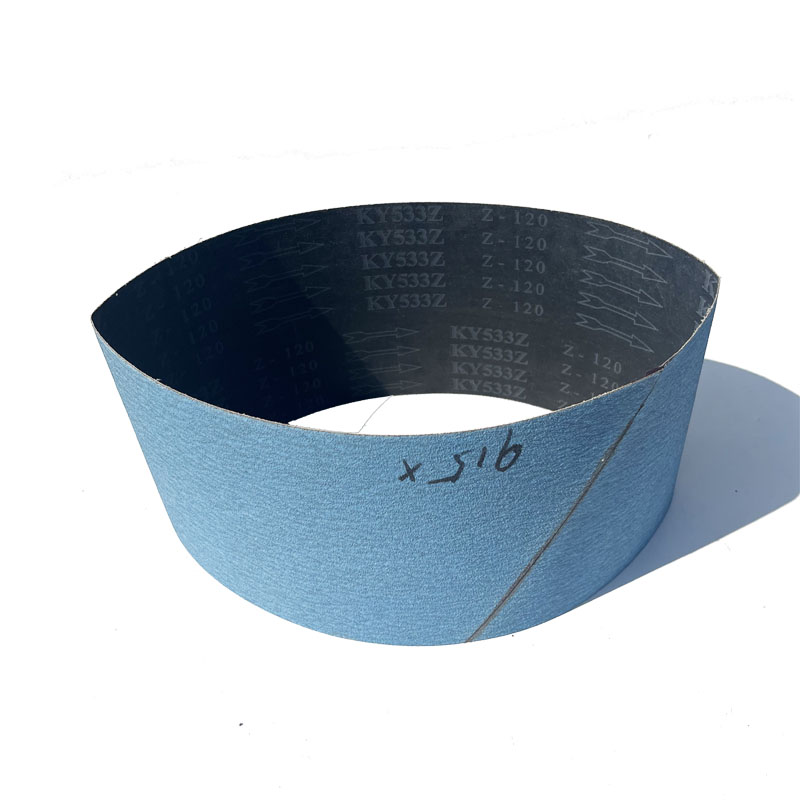
Zirconia Sanding Belts
Good durability
Slightly faster dulling than ceramic
👉 Best for general metal grinding
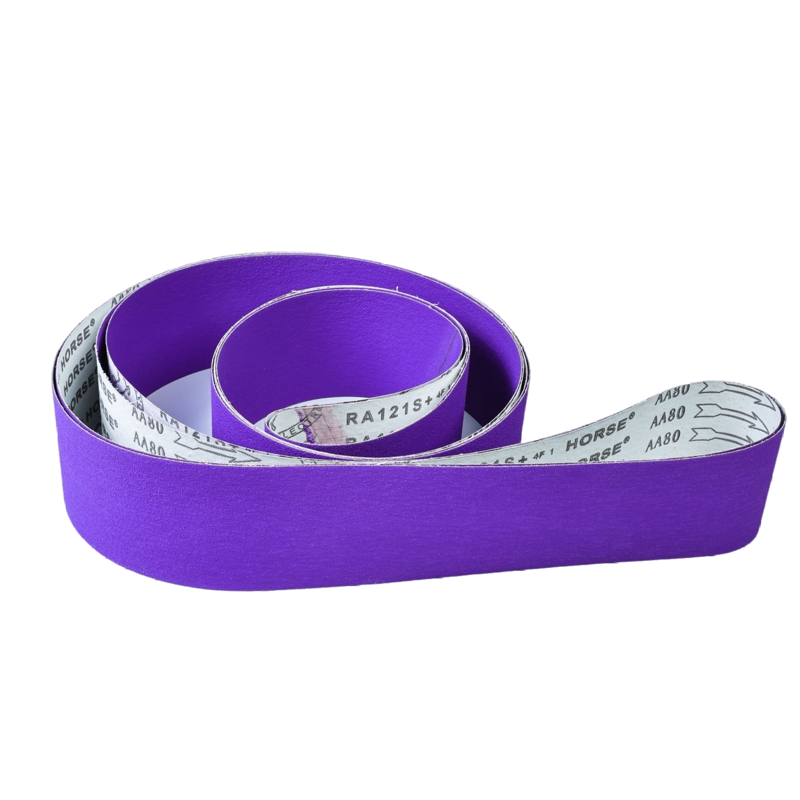
Aluminum Oxide Belts
Short lifespan
Faster performance decline
👉 Requires more frequent replacement
Cost Insight: Why Changing Earlier Saves Money
Many users try to “use the belt fully”.
👉 This is a mistake.
Because:
Grinding speed drops
Labor time increases
Energy cost increases
👉 Real cost = time + efficiency, not just belt price
How to Extend Sanding Belt Life
From real factory experience:
1. Use Correct Pressure
Avoid excessive force
2. Choose the Right Belt
Stainless steel → Ceramic
Carbon steel → Zirconia
3. Clean the Belt
Use rubber cleaning sticks
4. Optimize Speed
Avoid overheating
Choosing a Reliable Sanding Belt Manufacturer
A professional sanding belt manufacturer helps you:
Achieve consistent performance
Reduce premature wear
Improve cost efficiency
High-quality belts feature:
✔ Strong grain bonding
✔ Uniform abrasive distribution
✔ Heavy-duty backing (Y-weight cloth)
Where to Find High-Performance Sanding Belts
If you are looking for durable sanding belts for metal grinding:
👉 Explore our full range here:
https://www.liyingsandbelt.com/
We provide:
Ceramic sanding belts (high-efficiency grinding)
Zirconia sanding belts (cost-effective performance)
Heavy-duty Y-weight backing
Designed for industrial use
Change the belt based on performance — not appearance alone.