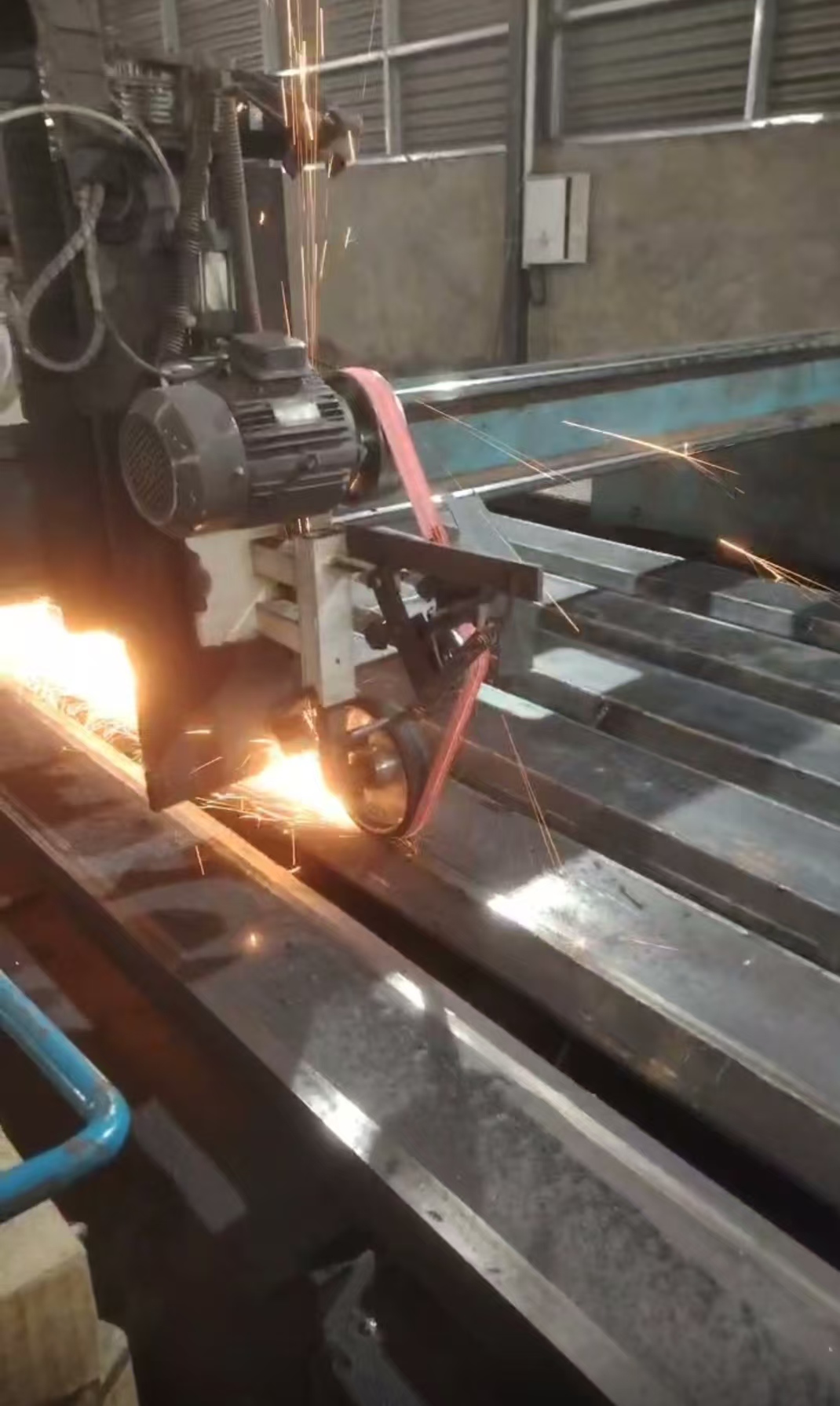
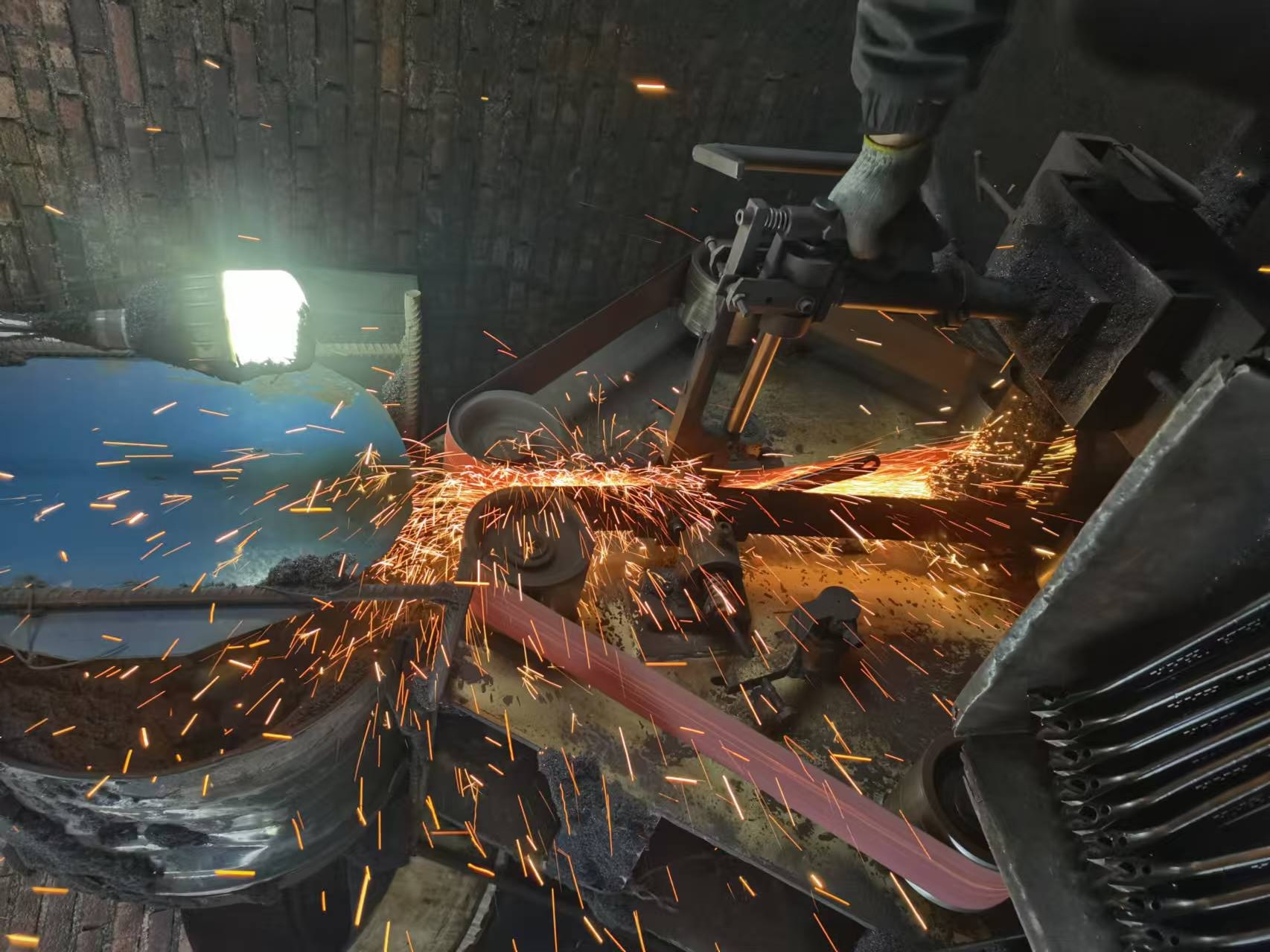
Welcome to WUXI YINGWANG ABRASIVE CO.LTD
What Are the Main Types of Sanding Belts for Metal?
Choosing the correct sanding belt for metal is essential for achieving efficient grinding, stable performance, and long belt life. Different metals such as stainless steel, carbon steel, aluminum, and alloys require different abrasive materials because grinding pressure, heat generation, and surface hardness vary greatly.
Professional sanding belt manufacturers usually recommend selecting sanding belts based on abrasive grain type, backing strength, and grinding purpose. Using the wrong belt often leads to poor cutting performance, excessive heat, and frequent belt replacement.
In this article, we explain the main types of sanding belts used for metal and how to choose the right one for industrial grinding applications.
1. Aluminum Oxide Sanding Belts for Light Metal Grinding
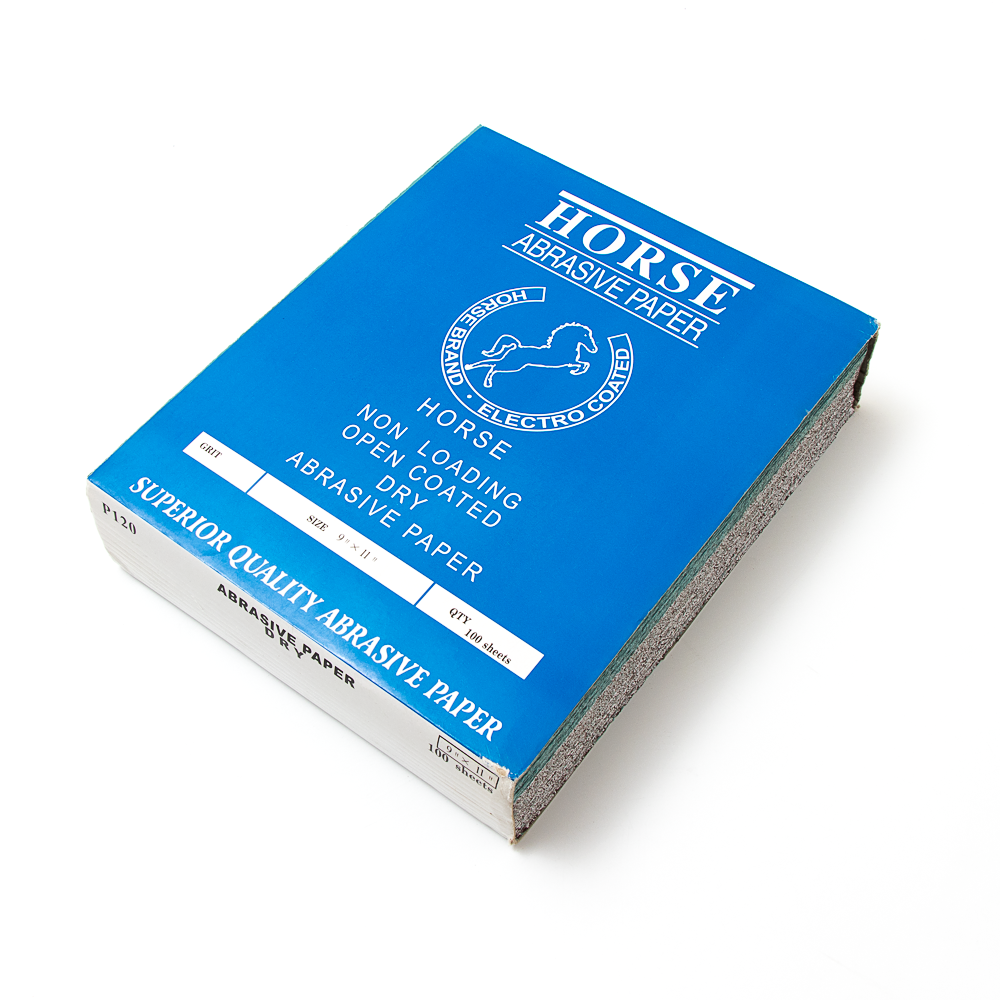
Aluminum oxide sanding belts are one of the most common entry-level abrasive belts for metal.
Features:
Economical cost
Good for general-purpose grinding
Suitable for softer metals
Best used for:
Aluminum
Mild steel
Light deburring
This type of sanding belt is suitable for light-duty work, but under heavy pressure the abrasive grains wear quickly.
Because of its lower cutting power, aluminum oxide is often used when cost is more important than belt lifespan.
2. Zirconia Sanding Belts for Medium to Heavy Grinding
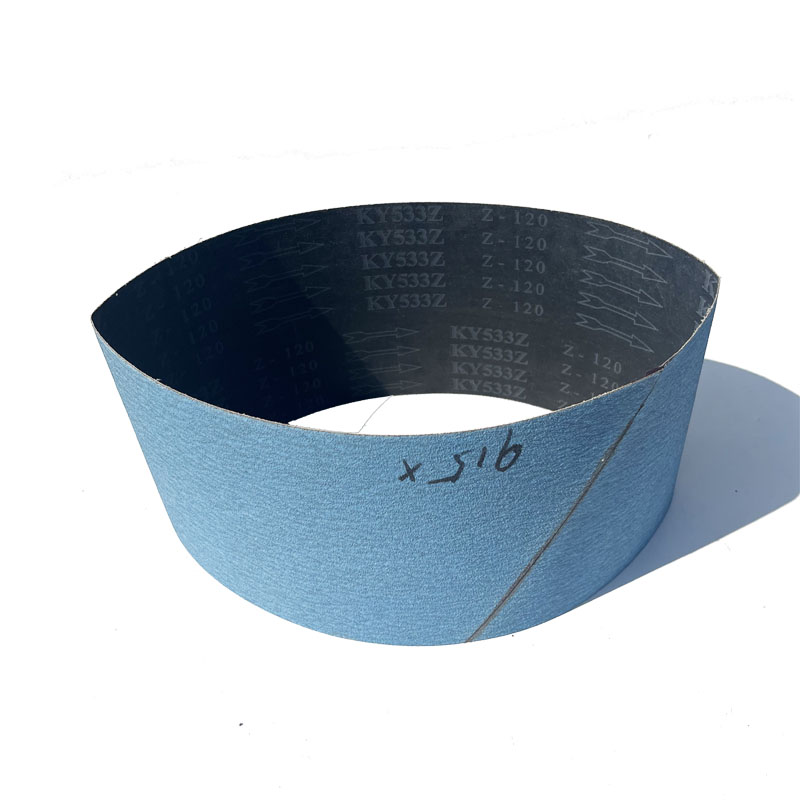
Zirconia sanding belts are widely used in industrial metal fabrication.
Features:
Strong cutting performance
Self-sharpening abrasive grain
Good heat resistance
Best used for:
Carbon steel
Stainless steel
Weld removal
Compared with aluminum oxide, zirconia belts last much longer and provide better cutting efficiency under continuous grinding.
Many sanding belt manufacturers recommend zirconia belts for medium-pressure metal grinding where both cost and durability matter.
3. Ceramic Sanding Belts for Heavy Metal Grinding
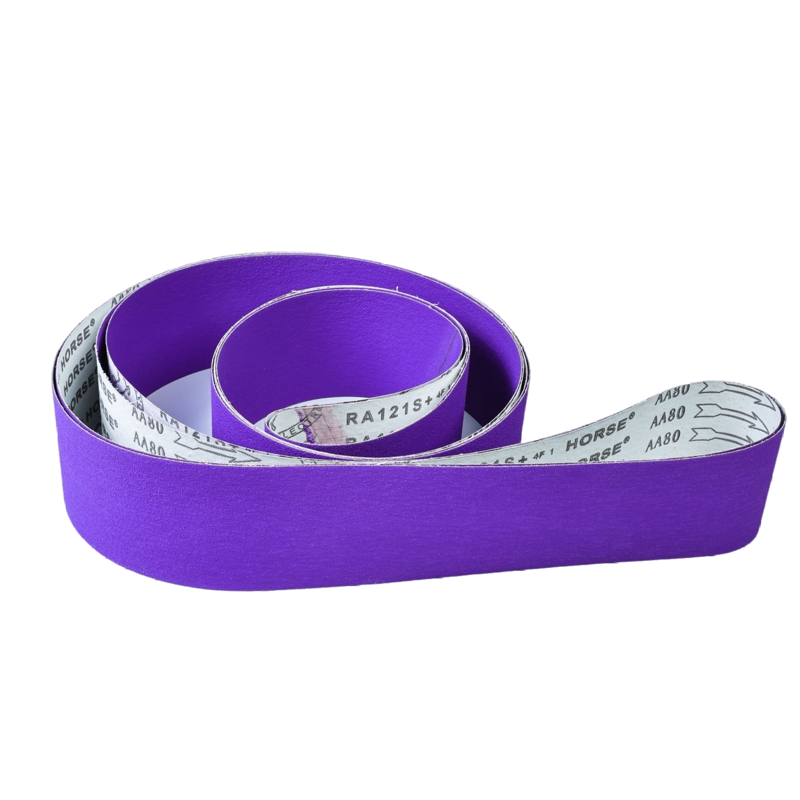
Ceramic sanding belts are considered premium abrasive belts for demanding metal applications.
Features:
Extremely aggressive cutting speed
Long service life
Excellent heat resistance
Superior self-sharpening performance
Best used for:
Stainless steel
Hard alloys
Heavy weld grinding
Industrial stock removal
Ceramic abrasive performs especially well in high-pressure grinding environments because the grains continuously fracture and expose fresh cutting edges.
👉 Explore our ceramic sanding belt for metal grinding
This type is commonly selected by industrial users who require maximum grinding efficiency.
4. Silicon Carbide Sanding Belts for Fine Metal Finishing
Silicon carbide abrasive belts have sharper grains than aluminum oxide.
Features:
Fast cutting on non-ferrous metals
Fine scratch pattern
Suitable for smooth finishing
Best used for:
Aluminum
Brass
Copper
Surface finishing
Silicon carbide belts are often chosen when a cleaner surface finish is required.
5. Non-Woven Sanding Belts for Surface Finishing
Non-woven belts are mainly used for finishing rather than material removal.
Features:
Flexible abrasive structure
Uniform finishing effect
Low heat generation
Best used for:
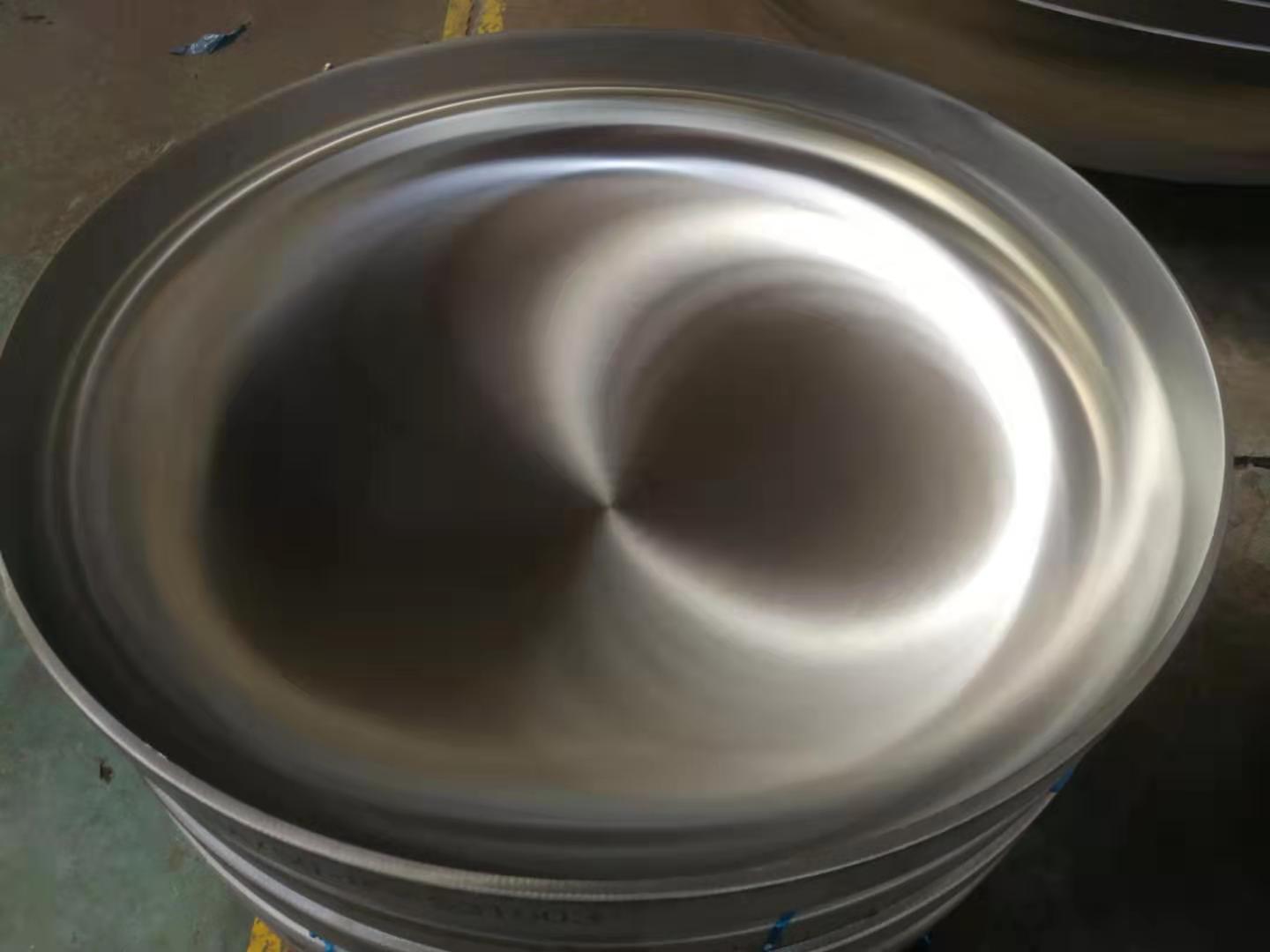
Satin finishing stainless steel
Surface blending
Decorative finishing
They are often used after coarse grinding to improve appearance.
How to Choose the Right Sanding Belt for Metal
When selecting sanding belts for metal, consider:
metal hardness
grinding pressure
machine speed
required surface finish
For heavy grinding:
ceramic belts perform best
For medium grinding:
zirconia belts are often the most economical choice
Reliable sanding belt manufacturers can help match abrasive type to your production process.
Contact Us for Metal Grinding Sanding Belts
We supply industrial sanding belts for metalworking applications, including:
ceramic sanding belts
zirconia sanding belts
aluminum oxide belts
custom abrasive belt sizes
If you need samples, pricing, or technical advice, contact us anytime.
Email: [email protected]
WhatsApp: +86 178 0585 0436
Website: https://www.liyingsandbelt.com/
Our technical team can recommend the most suitable sanding belt for your metal grinding application.
Conclusion
The main types of sanding belts for metal include aluminum oxide, zirconia, ceramic, silicon carbide, and non-woven belts. Each abrasive type serves a different purpose depending on grinding intensity and material type.
Choosing products from reliable sanding belt manufacturers helps improve grinding efficiency, reduce downtime, and lower total production cost.