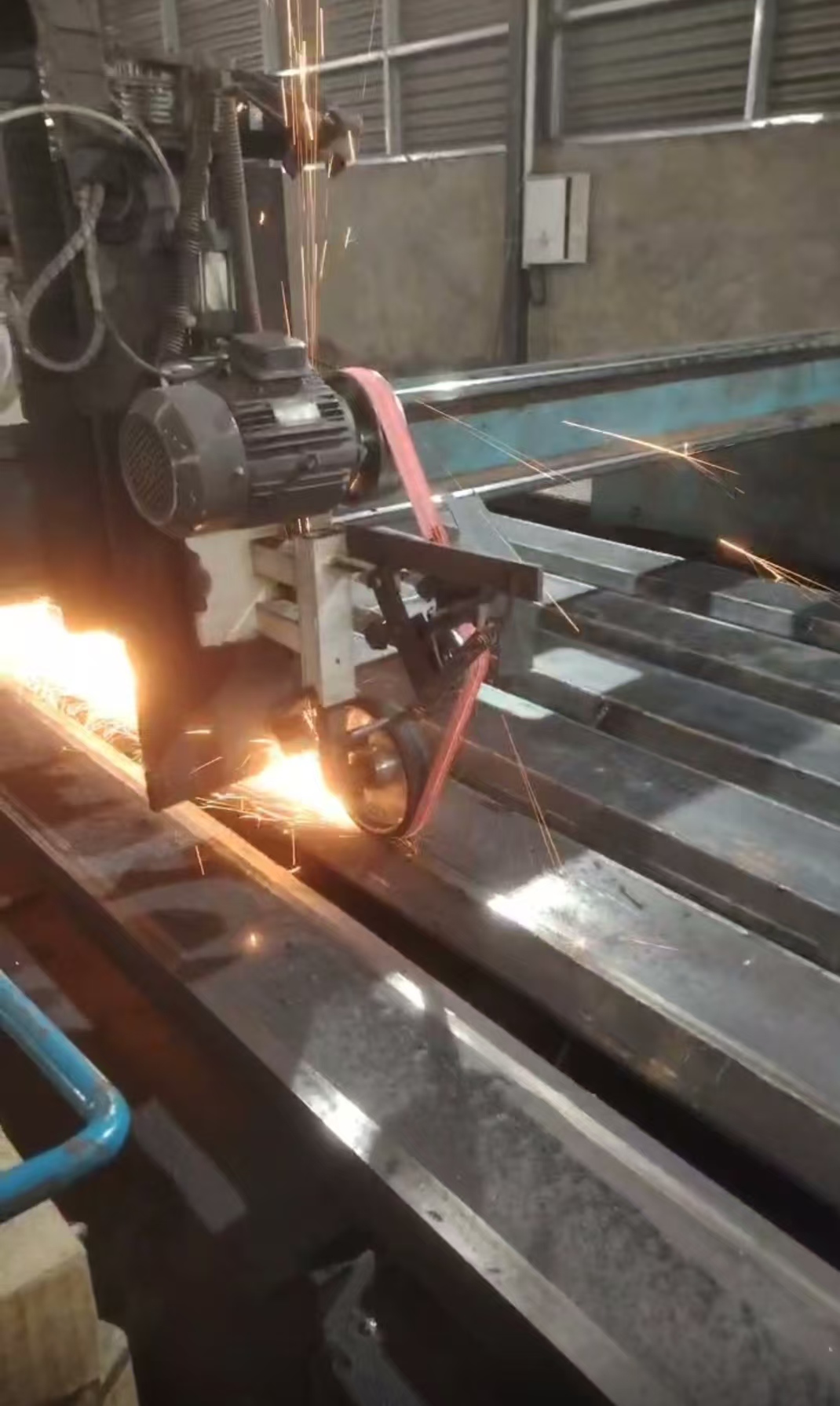
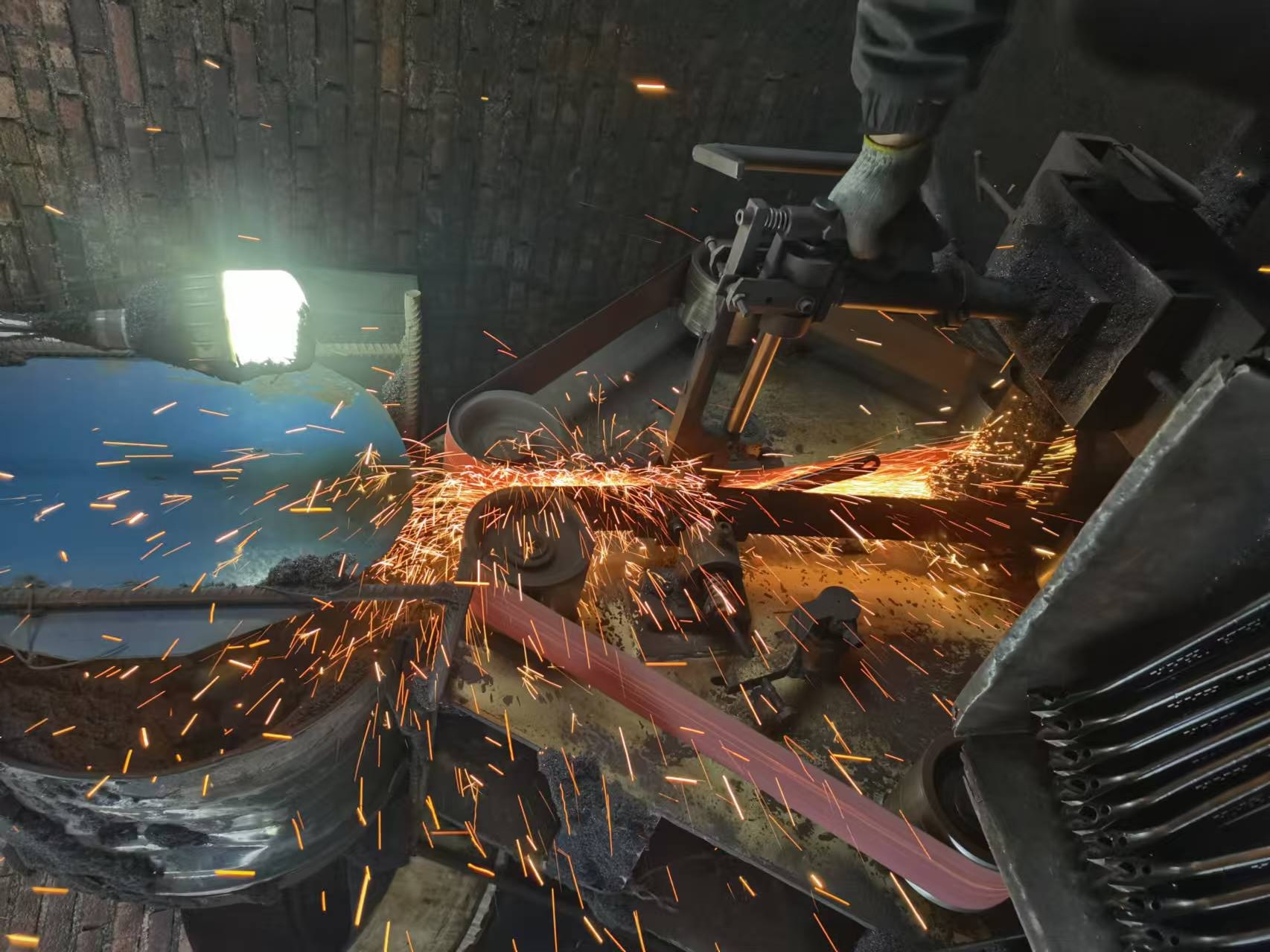
Welcome to WUXI YINGWANG ABRASIVE CO.LTD
What Types of Sanding Belts Are Best Suited for Working with High Carbon / Low Alloy Steels?
High carbon steels and low alloy steels are widely used in industrial manufacturing because of their strength, wear resistance, and durability. However, these materials also create greater grinding challenges because they generate heat quickly and place high stress on abrasive belts.
Choosing the correct sanding belt is critical for achieving efficient cutting, reducing heat buildup, and extending belt life. Professional sanding belt manufacturers usually recommend selecting abrasive belts according to grinding pressure, steel hardness, and required surface finish.
In this article, we explain which sanding belts perform best when grinding high carbon steel and low alloy steel.
Why High Carbon and Low Alloy Steels Require Specialized Sanding Belts
Compared with softer metals, these steels have:
higher hardness
stronger resistance to cutting
greater heat generation during grinding
This means ordinary sanding belts often wear out quickly or lose cutting power.
To maintain grinding efficiency, the abrasive grain must remain sharp and resist heat under pressure.
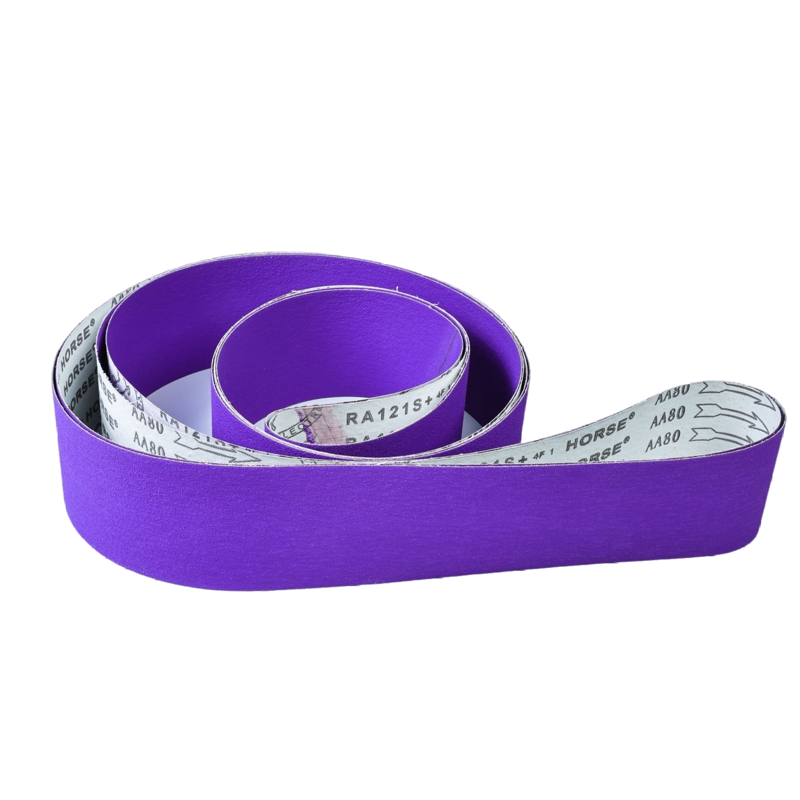
1. Ceramic Sanding Belts: Best for Heavy Grinding
Ceramic sanding belts are widely considered the best choice for high carbon steel and low alloy steel.
Advantages:
aggressive cutting speed
excellent self-sharpening effect
long service life
superior heat resistance
Ceramic grains fracture during grinding, exposing fresh sharp edges continuously. This makes them highly effective for hard steel grinding.
Recommended applications:
weld removal
stock removal
industrial heavy grinding
edge grinding
👉 Explore our ceramic sanding belt for steel grinding
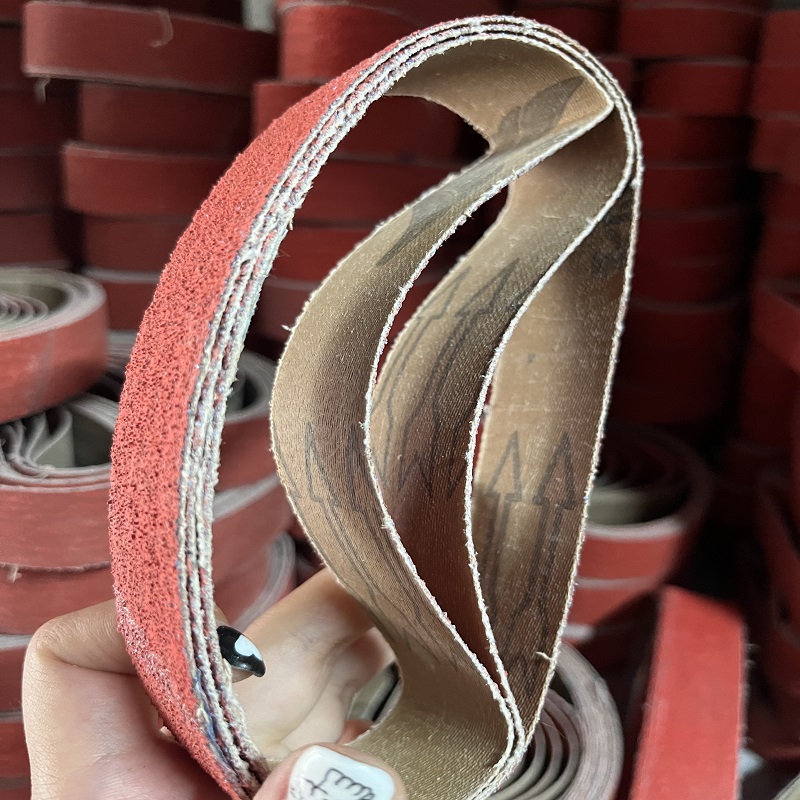
Many industrial users prefer ceramic belts supplied by experienced sanding belt manufacturers because they deliver stable performance under heavy pressure.
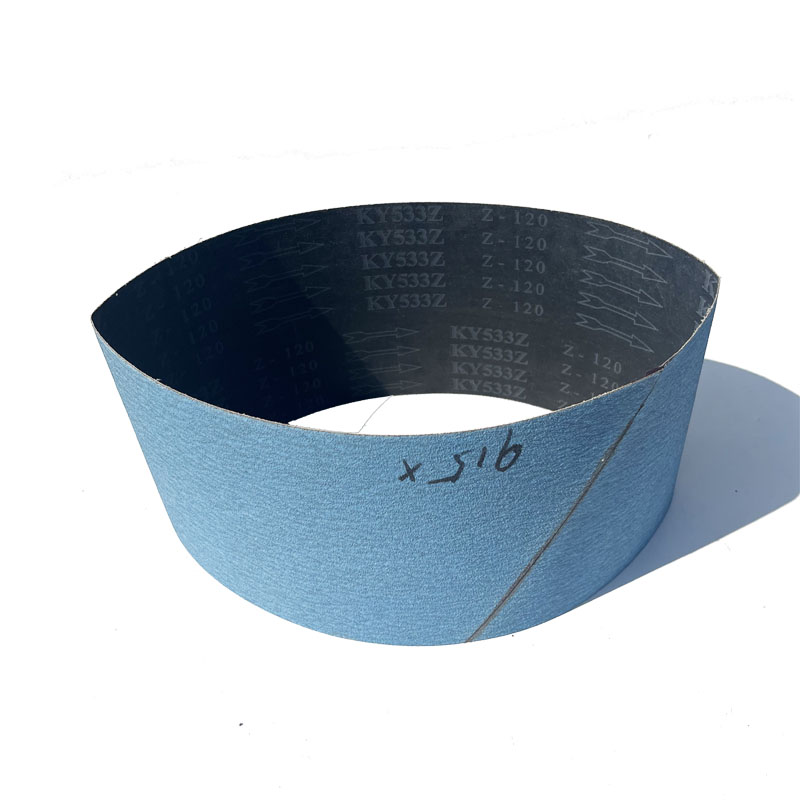
2. Zirconia Sanding Belts: Balanced Performance and Cost
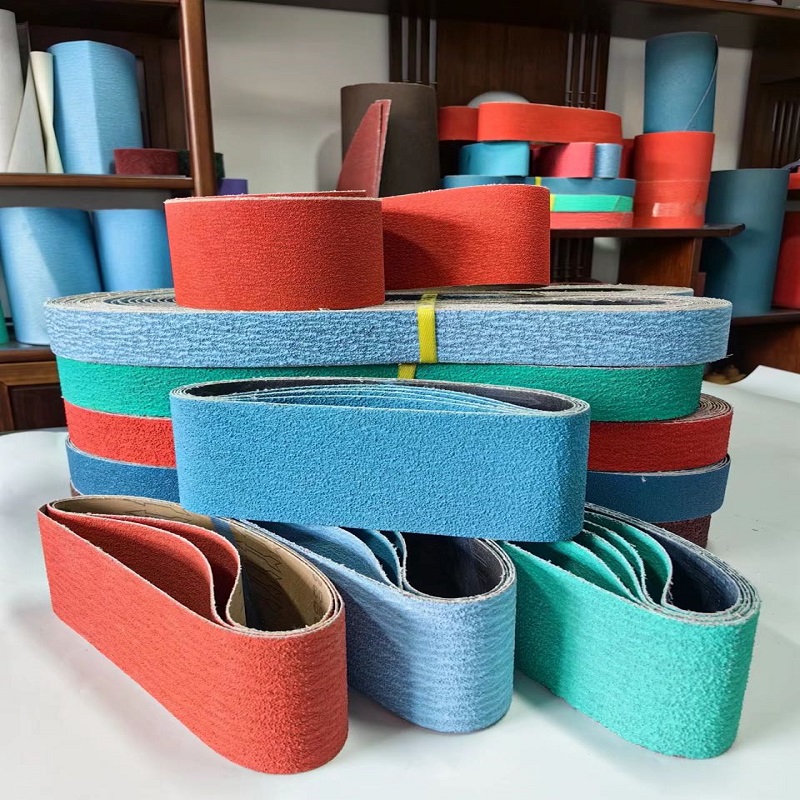
Zirconia sanding belts are also widely used for steel grinding.
Advantages:
strong grinding ability
good durability
lower cost than ceramic
Recommended applications:
medium-pressure grinding
carbon steel finishing
general steel fabrication
Zirconia abrasive provides good self-sharpening performance and is often selected when balancing performance and budget.
Professional sanding belt manufacturers often recommend zirconia for workshops with moderate grinding intensity.
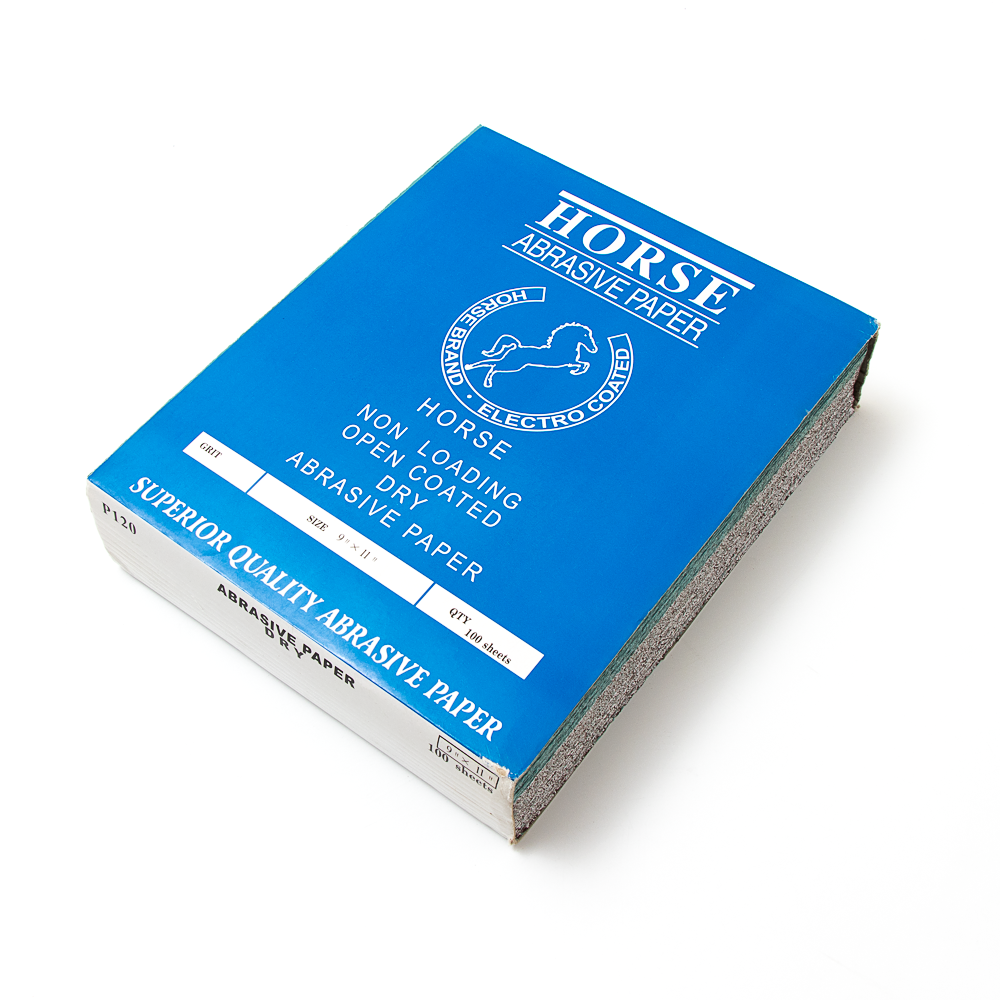
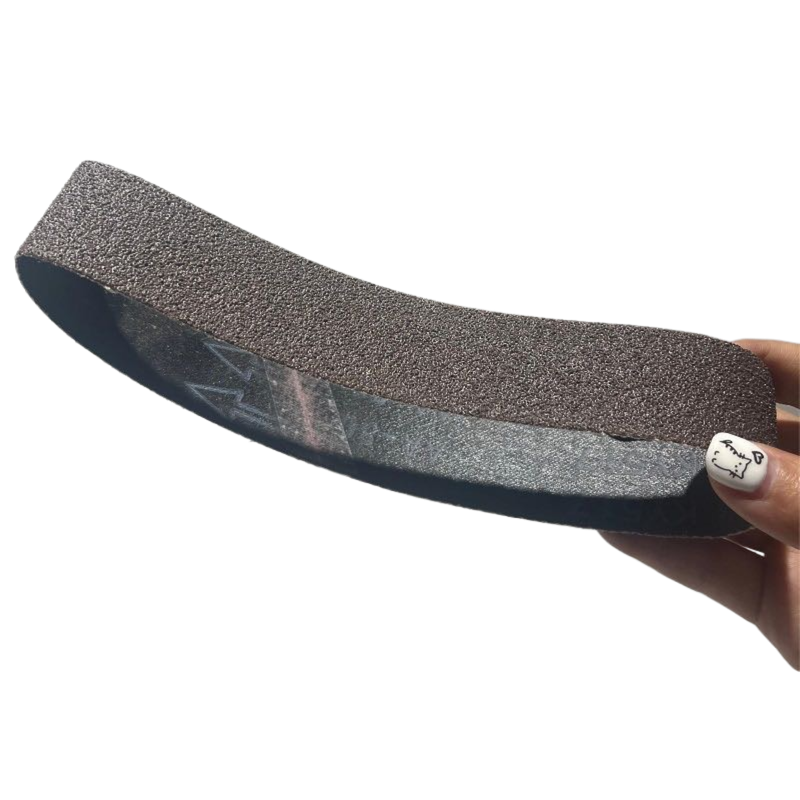
3. Aluminum Oxide Sanding Belts: For Light Grinding Only
Aluminum oxide belts are economical but less suitable for demanding steel grinding.
Advantages:
low cost
suitable for light-duty use
Limitations:
shorter lifespan on hard steel
lower heat resistance
slower cutting speed
They are mainly used for:
light deburring
finishing
occasional steel sanding
For continuous grinding of high carbon steel, aluminum oxide is usually not the most efficient option.
Choosing the Right Grit Size
For high carbon and low alloy steels:
Coarse grit (24#–60#)
Best for:
heavy stock removal
weld grinding
Medium grit (80#–120#)
Best for:
surface preparation
deburring
Fine grit (150# and above)
Best for:
finishing
polishing preparation
The correct grit selection helps maximize belt life and grinding efficiency.
Why Belt Quality Matters
Grinding hard steel places significant stress on the sanding belt joint and backing.
Low-quality belts often cause:
belt breakage
overheating
uneven wear
Reliable sanding belt manufacturers use:
strong polyester backing
heat-resistant resin bonding
precise belt joints
These features are essential for stable steel grinding.
Contact Us for Professional Sanding Belt Solutions
We supply industrial sanding belts for steel grinding applications, including:
ceramic sanding belts
zirconia sanding belts
custom abrasive belt sizes
If you need technical support, samples, or pricing, contact us anytime.
Email: yingwang@abrasivework.com
WhatsApp: +86 17805850436
Website: https://www.liyingsandbelt.com/
Our technical team can help you choose the most suitable abrasive belt for different steel materials.
Conclusion
For high carbon steel and low alloy steel, ceramic sanding belts offer the best grinding performance, longest life, and highest heat resistance. Zirconia belts provide a strong balance between cost and durability, while aluminum oxide belts are suitable only for light grinding.
Choosing products from experienced sanding belt manufacturers helps improve grinding efficiency and reduce production costs.