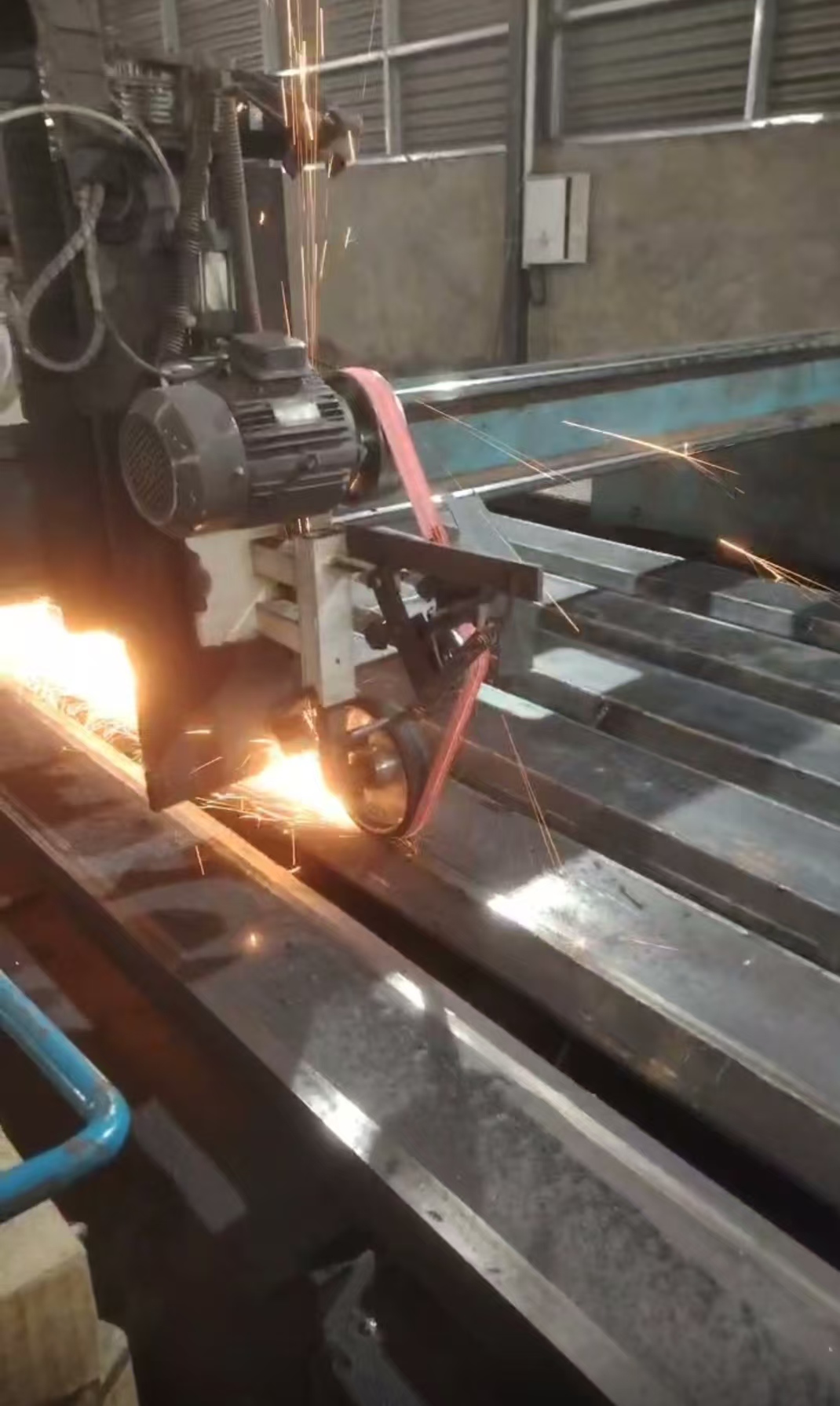
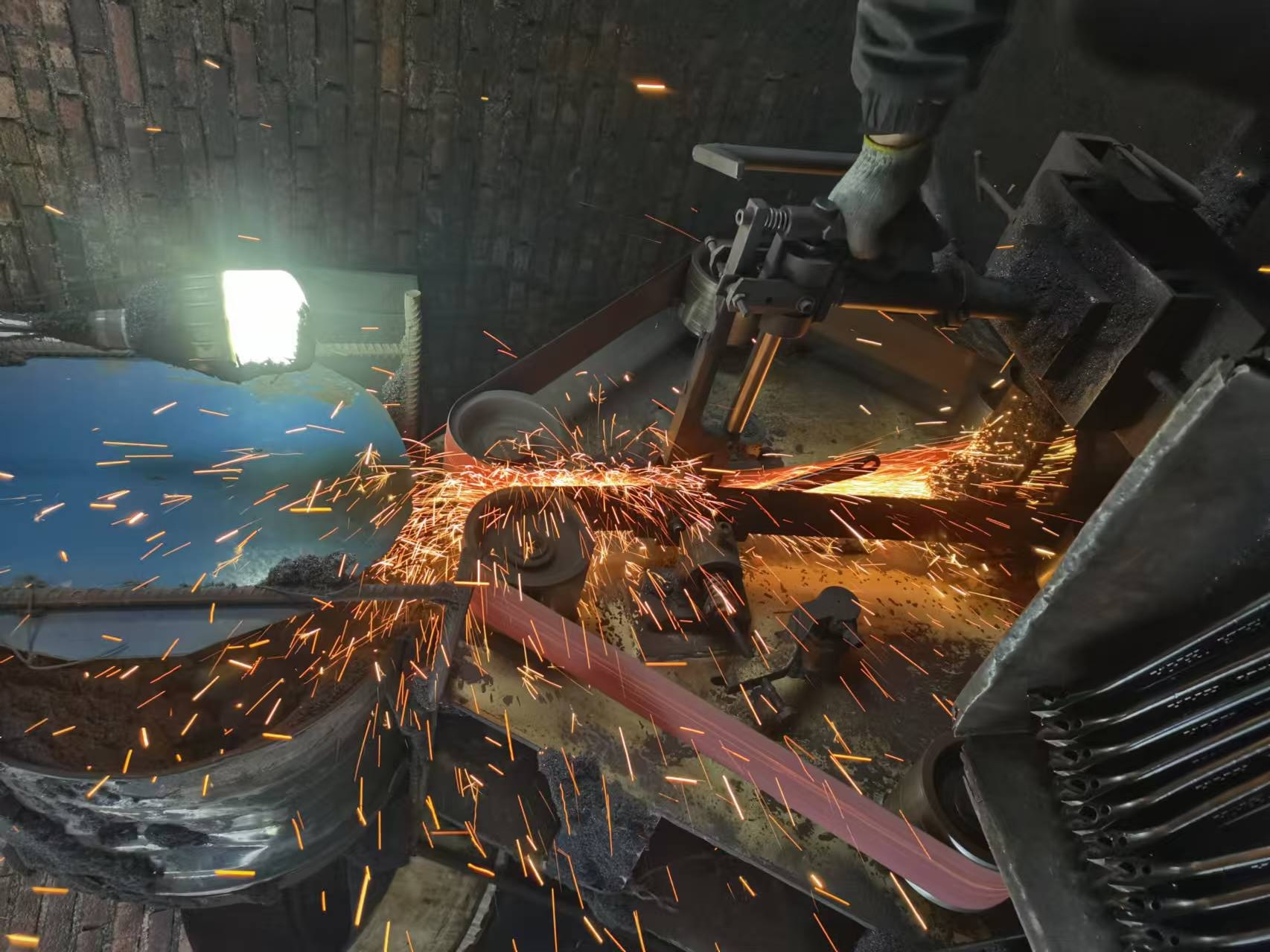
Welcome to WUXI YINGWANG ABRASIVE CO.LTD
When a Sanding Belt Has Lost Abrasion Quality, What Should You Do?
Sanding belts are widely used in metalworking industries for grinding, deburring, and surface finishing. Over time, however, even high-quality belts will gradually lose their cutting ability. When a sanding belt has lost abrasion quality, taking the right steps can help maintain grinding efficiency and protect the workpiece.
1. Clean the Sanding Belt
Sometimes the belt loses cutting performance because it is loaded with dust, resin, or metal particles.
Using a sanding belt cleaning stick can remove the buildup and restore part of the cutting ability. This method is especially effective in woodworking applications.
Professional sanding belt suppliers often recommend regular belt cleaning to extend the belt's service life.
2. Reduce Grinding Pressure
Excessive pressure can quickly dull the abrasive grains.
Instead of pressing harder, allow the abrasive grains to cut naturally. High-quality belts such as ceramic sanding belts are designed to self-sharpen under proper grinding pressure.
Reducing pressure can help maintain consistent grinding performance.
3. Check the Grinding Speed
Improper belt speed may cause overheating and premature wear.
Adjusting the machine speed to match the abrasive material—especially when using a ceramic sanding belt—can significantly improve grinding efficiency and belt life.
4. Use the Correct Grit Size
If the grit is too fine for heavy grinding, the belt will quickly lose cutting ability.
Selecting the correct grit size recommended by experienced sanding belt suppliers ensures optimal performance and prevents premature wear.
5. Use High-Performance Ceramic Sanding Belts
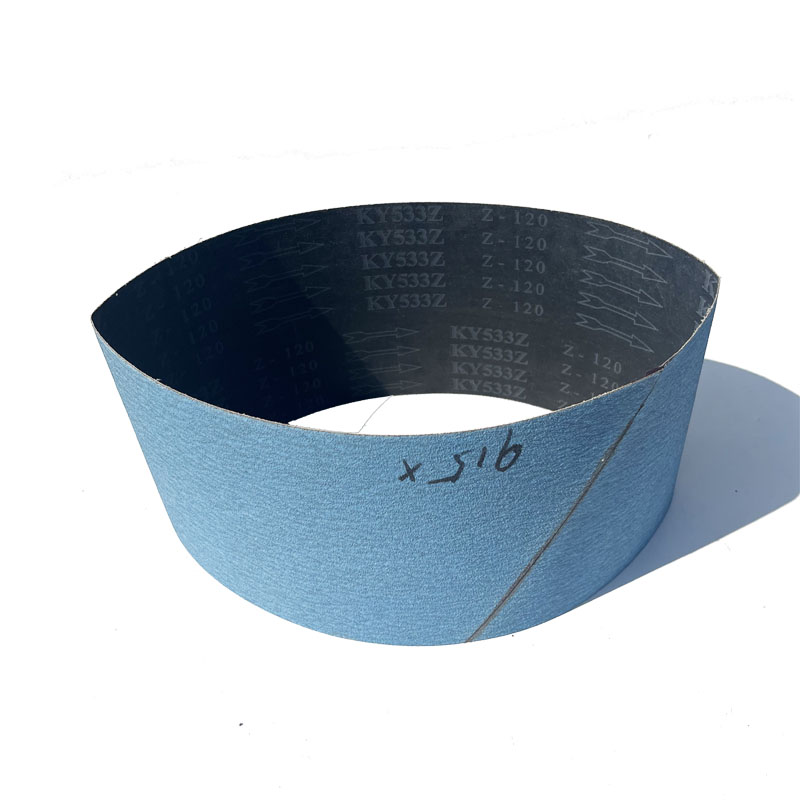
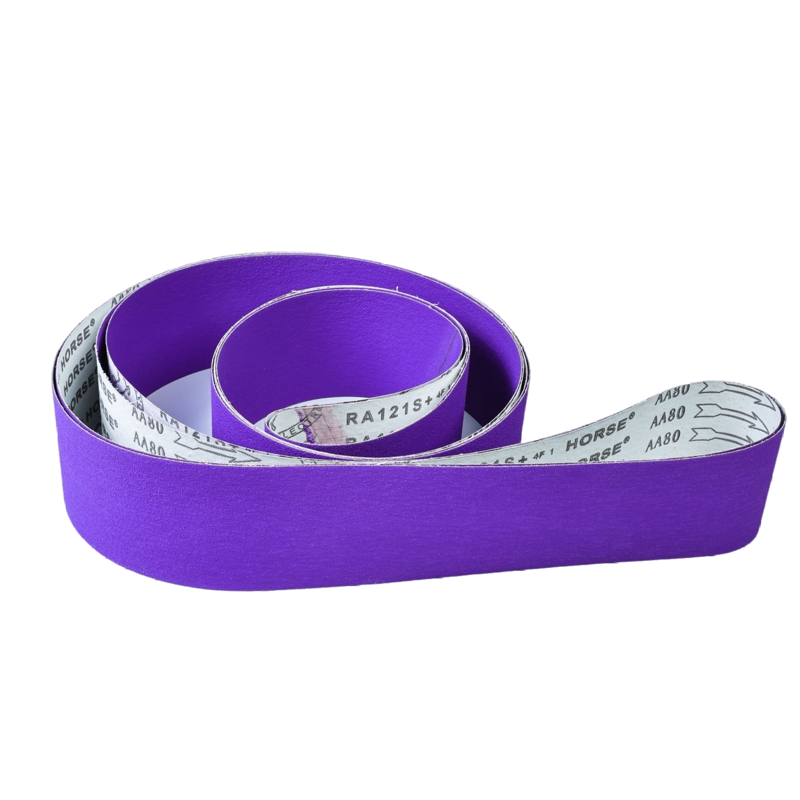
For heavy metal grinding applications, a ceramic sanding belt is often the preferred choice because of its high cutting efficiency and long service life.
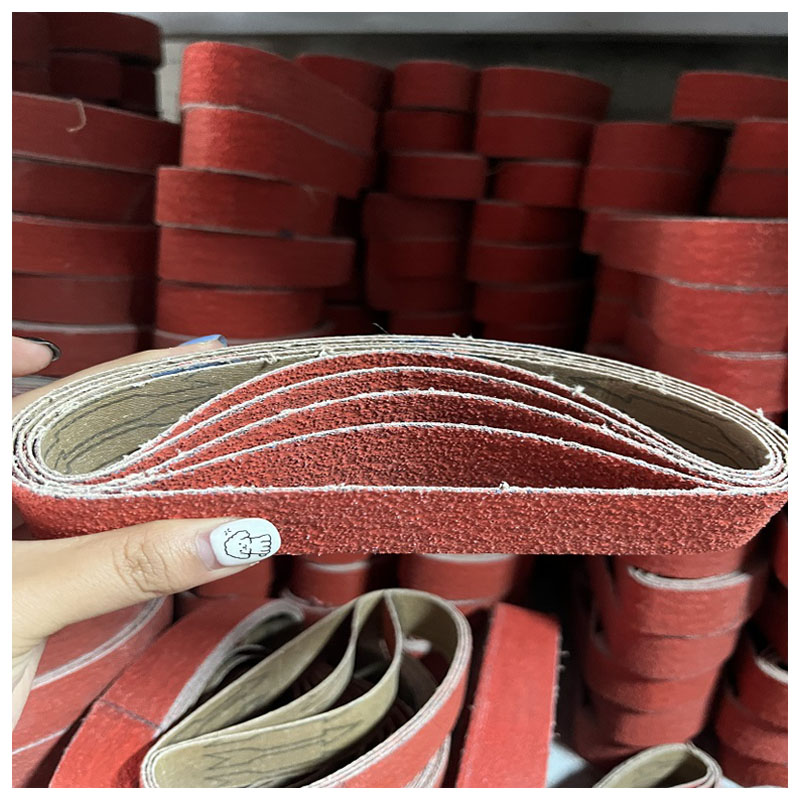
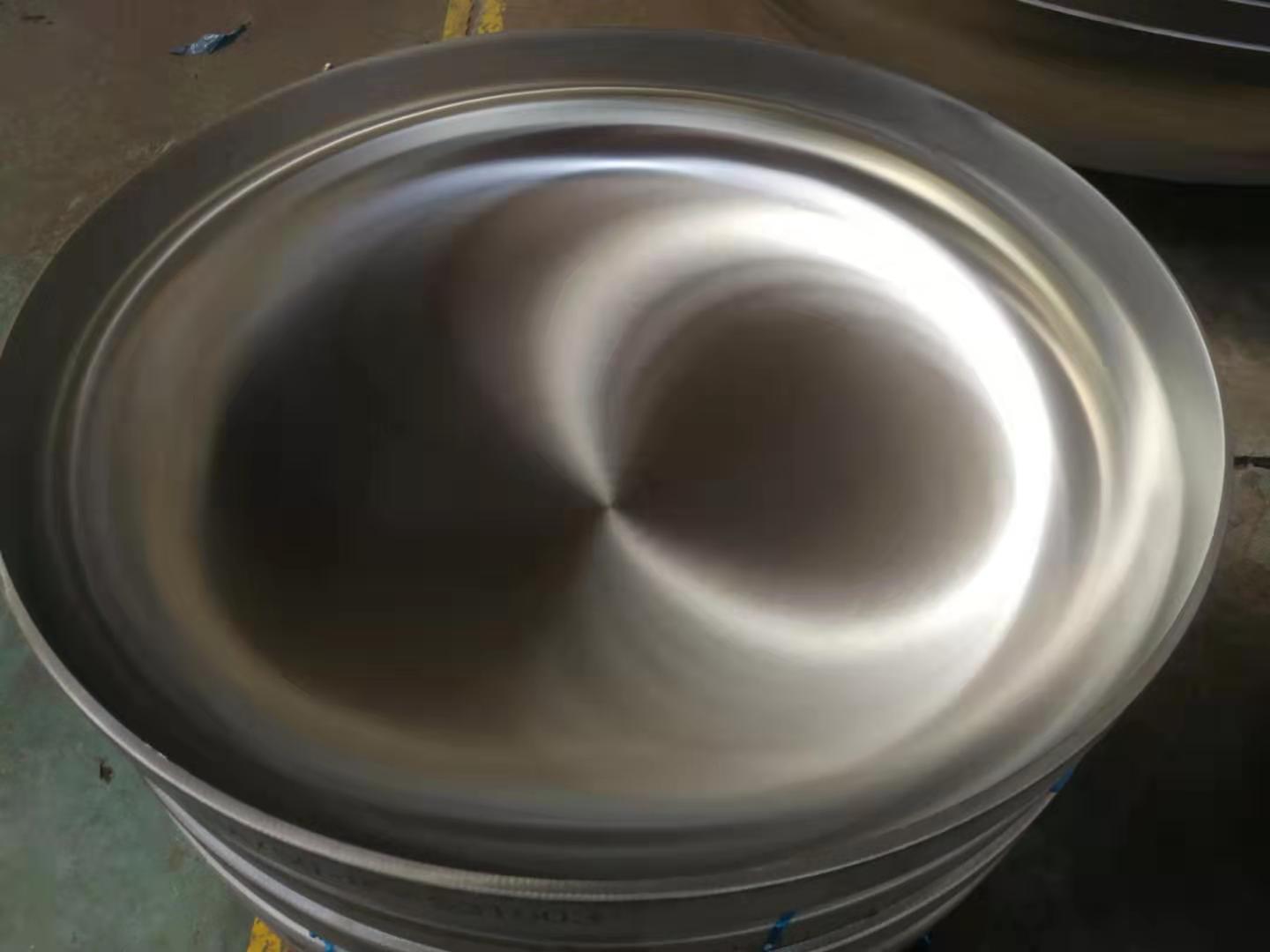
Image caption:
Ceramic sanding belt for stainless steel and heavy metal grinding.
Compared with conventional abrasive belts, ceramic belts maintain sharpness longer and provide more stable grinding performance.
If you need technical advice or belt recommendations, our team is happy to assist.
📩 Contact us for quotation:
Email: [email protected]