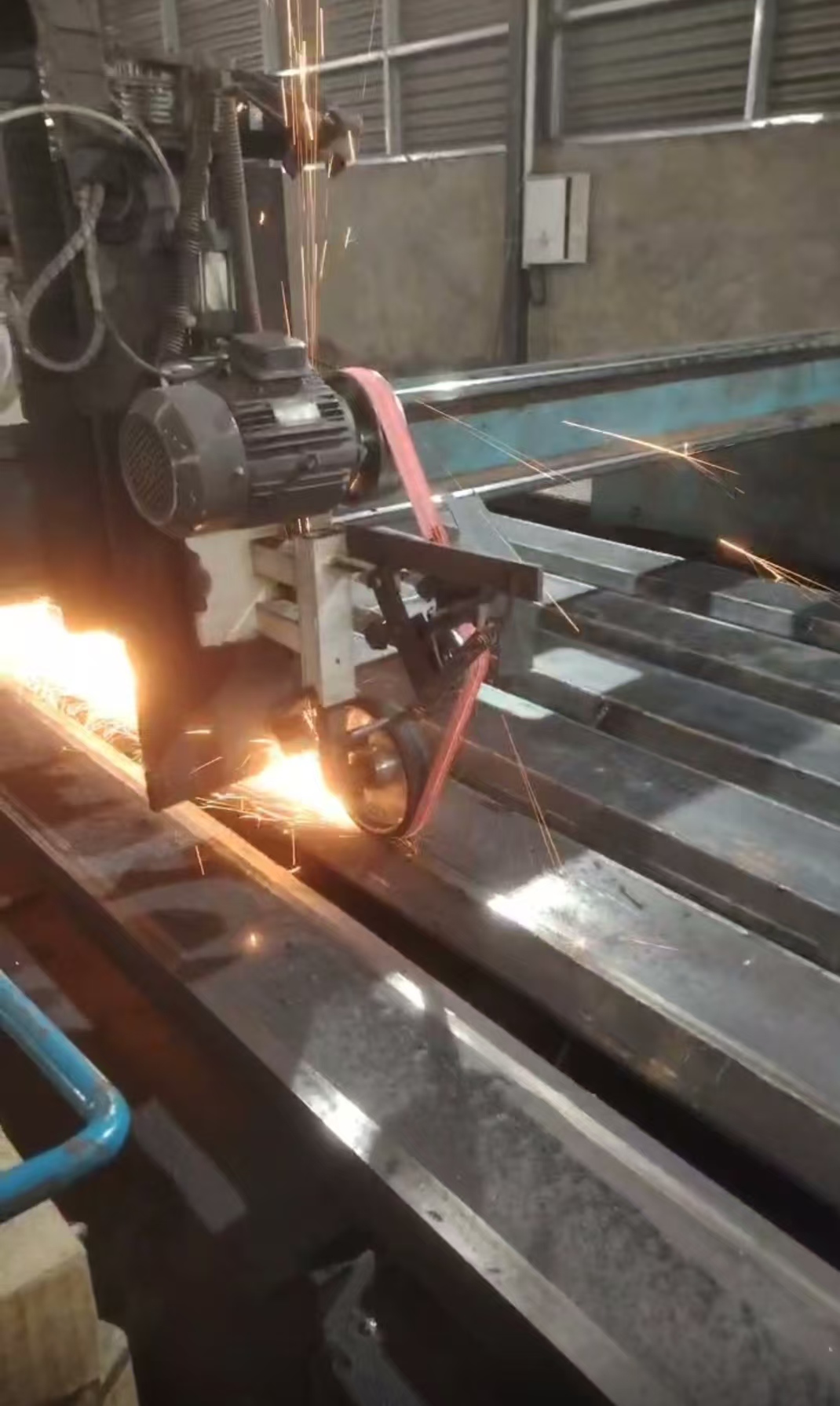
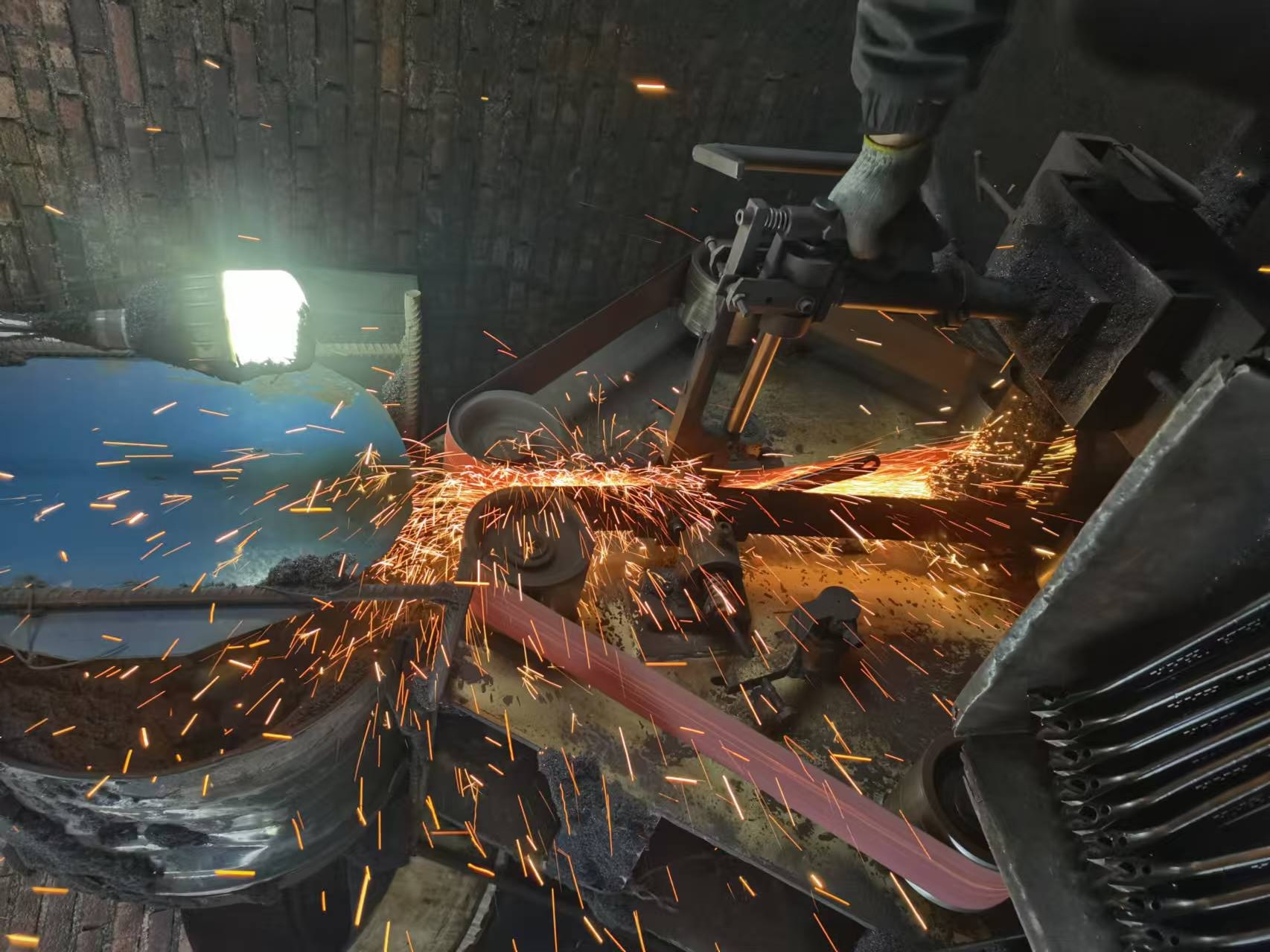
Welcome to WUXI YINGWANG ABRASIVE CO.LTD
Why Do My Sanding Belts Keep Breaking?
Sanding belt breakage is one of the most common problems in metal grinding, woodworking, and industrial surface finishing. If your sanding belts keep breaking during use, the issue is often not only the belt itself but also the grinding conditions, machine setup, and storage environment.
Understanding the real causes can help reduce downtime, improve grinding efficiency, and lower production costs. Professional china sanding belt manufacturers often find that most belt breakage problems come from improper use rather than product defects alone.
In this guide, we explain the most common reasons sanding belts break and how to prevent it.
1. Incorrect Belt Tension
One of the main causes of sanding belt breakage is excessive belt tension.
If the belt is installed too tightly:
the joint receives too much stress
the backing material stretches excessively
the belt may snap during high-speed grinding
If tension is too loose:
the belt slips
grinding becomes unstable
the belt edge wears unevenly
Correct belt tension allows stable running without overloading the splice.
2. Poor Storage Conditions
Humidity and temperature have a major impact on sanding belt performance.
If belts are stored in very dry environments:
backing becomes brittle
joints weaken
breakage risk increases
If stored in excessive humidity:
adhesive bonding can soften
abrasive grains may detach
Professional china sanding belt manufacturers usually recommend storing belts at:
18–22°C
40–60% humidity
This helps maintain flexibility and belt strength.
3. Wrong Contact Wheel or Machine Alignment
A misaligned grinding machine can quickly damage a sanding belt.
Common machine problems include:
contact wheel not centered
tracking instability
pulley misalignment
When the belt runs unevenly, stress concentrates on one side, causing edge cracking or sudden breakage.
Always check machine alignment before assuming the belt itself is defective.
4. Excessive Grinding Pressure
Many operators apply too much force, especially during metal grinding.
This causes:
overheating
rapid grain wear
splice overload
High-quality ceramic belts are designed to cut aggressively under controlled pressure, but excessive force still shortens belt life.
Instead of increasing pressure, use the correct abrasive grain and grit size.
5. Low-Quality Belt Joint
The splice is the most sensitive area of any sanding belt.
Cheap belts often fail because of:
weak joint adhesive
poor overlap precision
inconsistent production quality
Reliable sanding belt manufacturers use advanced joint technology to ensure:
strong tensile strength
smooth running
high-speed resistance
This is especially important for industrial metal grinding.
6. Wrong Belt for Metal Application
Using the wrong abrasive type often causes premature failure.
For example:
Aluminum oxide belts
Suitable for light grinding but wear faster on hard metal.
Zirconia belts
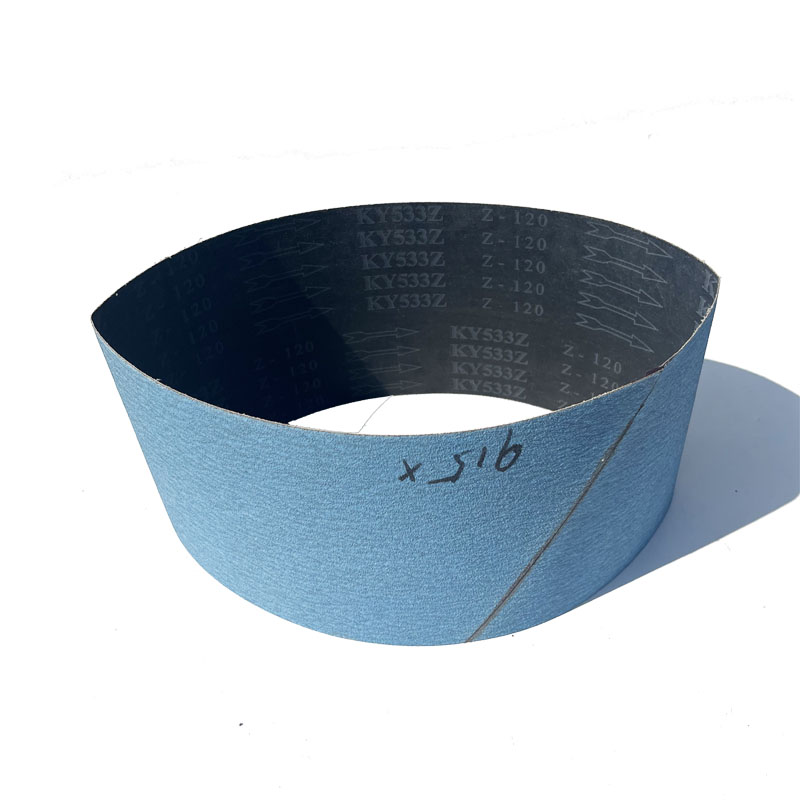
Better for steel and stainless steel.
Ceramic belts
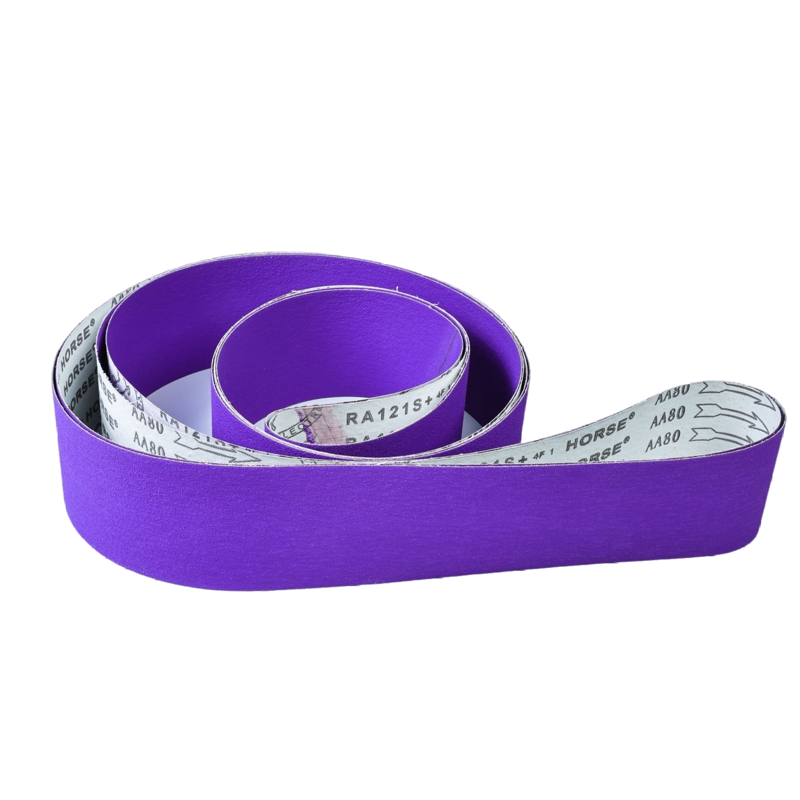
Best for heavy grinding and weld removal.
If you use a low-grade belt on stainless steel, breakage often happens faster because of heat buildup.
Recommended Sanding Belt for Metal Grinding
For stainless steel and heavy grinding applications, ceramic sanding belts provide longer life and better resistance to breakage.
👉 Our Sanding Belt for Metal Grinding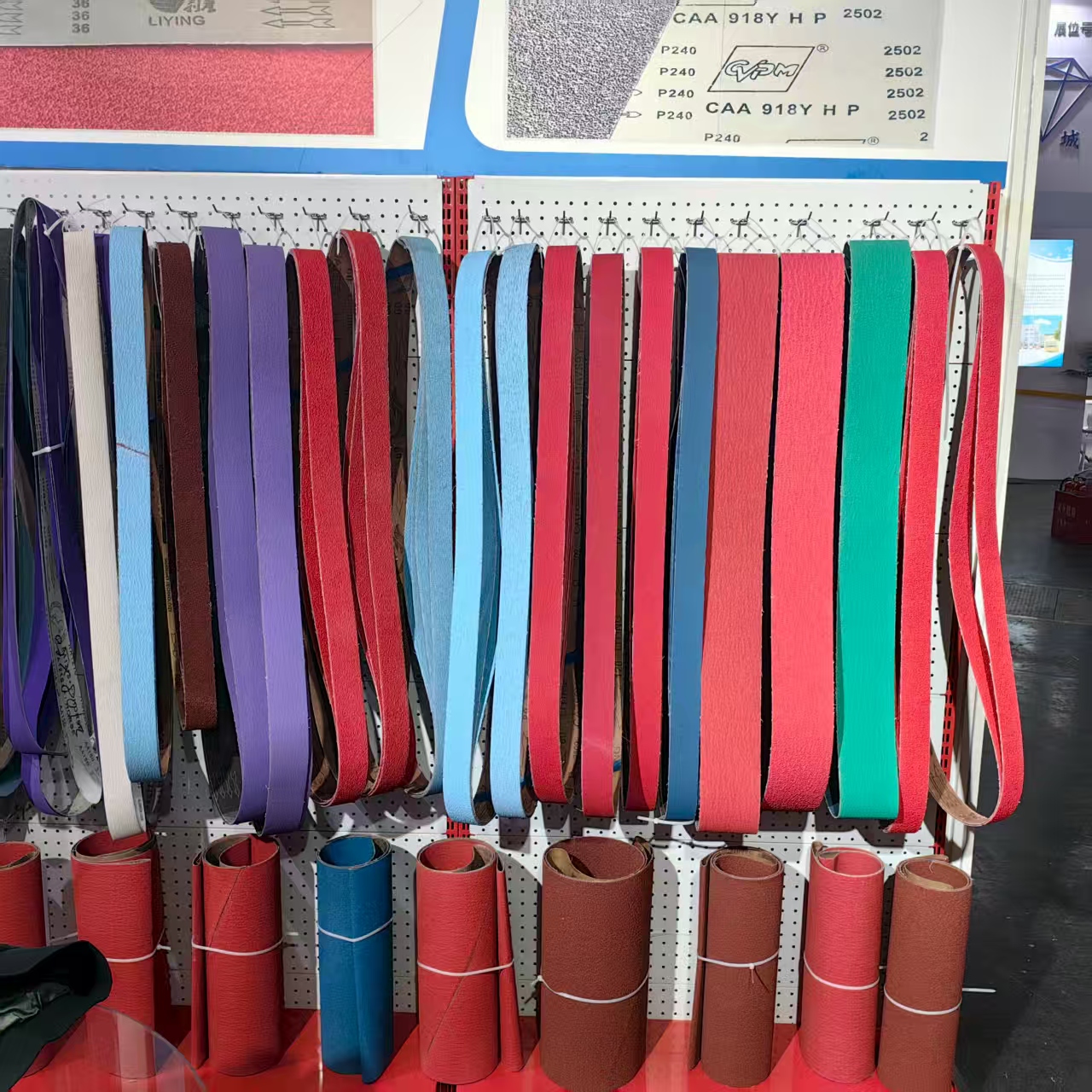
Suitable for:
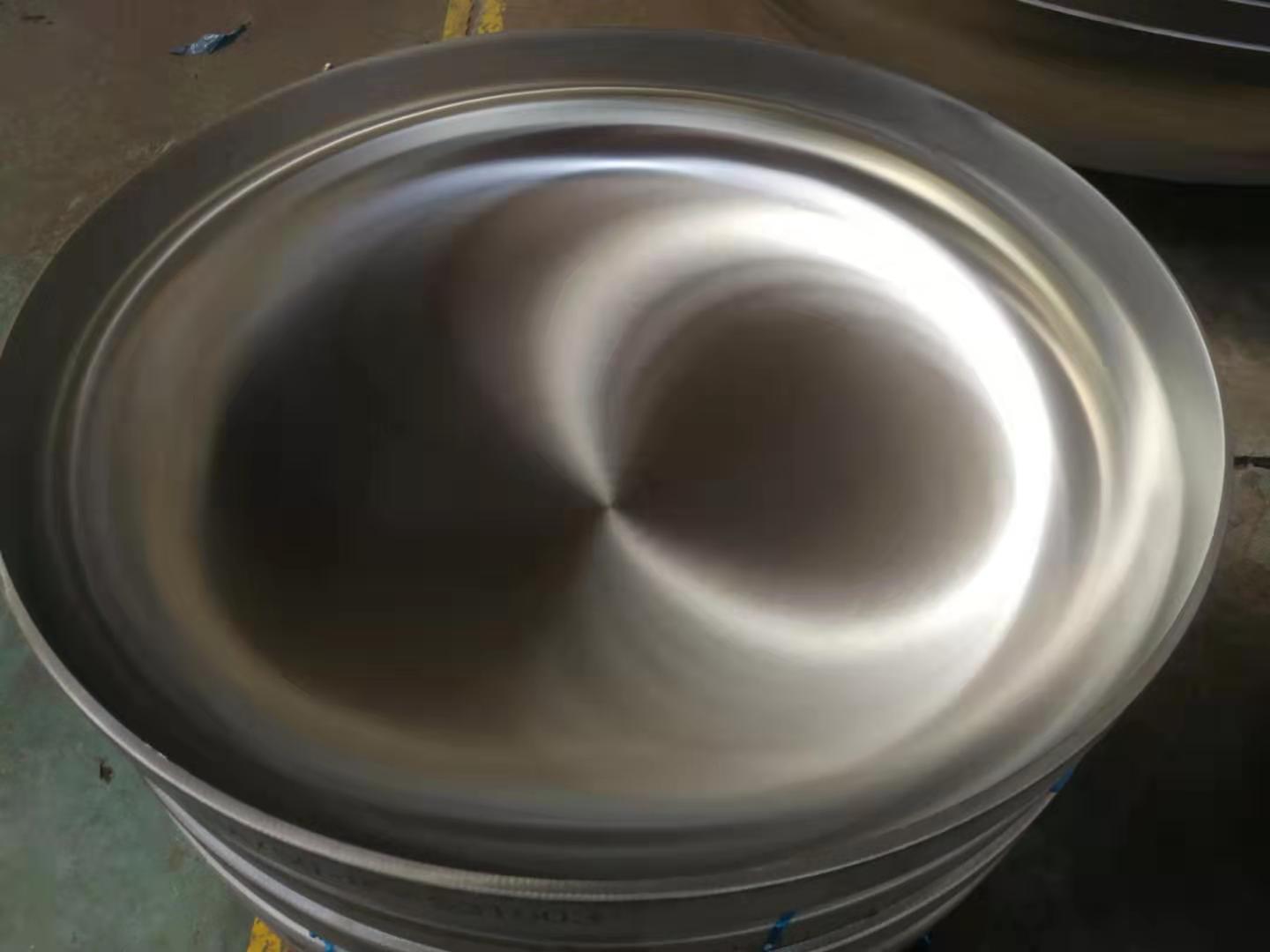
stainless steel grinding
weld removal
heavy stock removal
industrial belt grinders
How to Extend Sanding Belt Life
To reduce breakage:
store belts correctly
check machine alignment regularly
use correct grinding pressure
choose suitable abrasive type
avoid overheating
These simple steps often double belt lifespan.
Contact Us for Professional Sanding Belt Solutions
We specialize in industrial abrasive belts for metal grinding and surface finishing.
Our product range includes:
ceramic sanding belts
zirconia sanding belts
aluminum oxide abrasive belts
If you need technical advice, samples, or pricing, contact us anytime.
Email: [email protected]
WhatsApp: +86 178 0585 0436
Website: https://www.liyingsandbelt.com/
As experienced china sanding belt manufacturers, we help customers choose the right abrasive solution for different grinding applications.