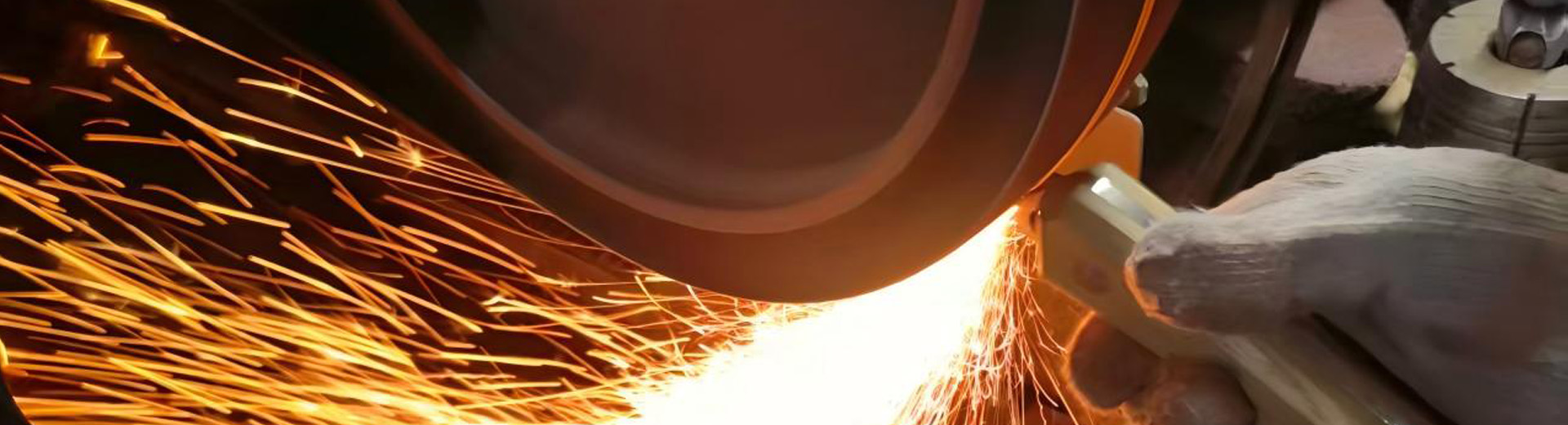
In metal grinding, one of the most overlooked cost factors is using a sanding belt for too long.
Many operators ask:
How do I know when it's time to change my sanding belt?
From the perspective of an experienced sanding belt manufacturer, the answer is not just about whether the belt still “works” — but whether it is still efficient and cost-effective.
A sanding belt should be replaced before it stops cutting effectively, not after.
A sanding belt doesn’t suddenly fail — it gradually loses performance.
During use:
Abrasive grains become dull
Heat increases
Cutting speed decreases
Pressure requirement increases
Eventually:
❌ More energy is used
❌ Surface quality drops
❌ Cost per part increases
If you notice:
Material removal is slower
You need more time to finish the same job
This is the first warning sign
The abrasive grains have lost sharpness and can no longer cut efficiently.
If your workpiece shows:
Blue or black discoloration
Burn marks
Overheating
Your sanding belt is no longer cutting — it is rubbing instead of grinding
A worn sanding belt often becomes:
Smooth and shiny
Covered with metal debris
This is called glazing or loading
No cutting ability
Increased friction
Heat buildup
If operators start pushing harder:
That’s a clear sign the belt is already worn out
⚠ This leads to:
Faster machine wear
More heat
Risk of belt breakage
If you see:
Uneven grinding
Scratch pattern inconsistency
Poor finish quality
The belt is no longer performing uniformly
Replace immediately if you see:
Torn edges
Cracks
Uneven wear
Do NOT wait until the belt completely stops working
A professional sanding belt manufacturer will always recommend:
✔ Replace the belt when efficiency drops
✔ Not when it is completely unusable
Because:
The last 30% of belt life often produces low efficiency + high cost
New ceramic belt → fast cutting, low heat
Mid-life → stable performance
Late-stage → slower cutting, more heat
If you continue using it:
❌ Grinding time increases
❌ Energy cost increases
❌ Surface quality drops
✔ Changing earlier actually reduces total cost
If you're unsure whether your sanding belt is performing efficiently, you can contact us directly.
Email: [email protected]
WhatsApp: +86 178 0585 0436
As a professional sanding belt manufacturer, we can help you:
Evaluate belt performance
Recommend the right abrasive type
Reduce your grinding cost
Maintain sharpness longer
Wear more gradually
Ideal for high-pressure grinding
Replacement is usually based on performance drop, not visible wear
Good durability
Slightly faster dulling than ceramic
Best for general metal grinding
Short lifespan
Faster performance decline
Requires more frequent replacement
Many users try to “use the belt fully”.
This is a mistake.
Because:
Grinding speed drops
Labor time increases
Energy cost increases
Real cost = time + efficiency, not just belt price
From real factory experience:
Avoid excessive force
Stainless steel → Ceramic
Carbon steel → Zirconia
Use rubber cleaning sticks
Avoid overheating
A professional sanding belt manufacturer helps you:
Achieve consistent performance
Reduce premature wear
Improve cost efficiency
High-quality belts feature:
✔ Strong grain bonding
✔ Uniform abrasive distribution
✔ Heavy-duty backing (Y-weight cloth)
If you are looking for durable sanding belts for metal grinding:
Explore our full range here:
https://www.liyingsandbelt.com/
We provide:
Ceramic sanding belts (high-efficiency grinding)
Zirconia sanding belts (cost-effective performance)
Heavy-duty Y-weight backing
Designed for industrial use
Change the belt based on performance — not appearance alone.